


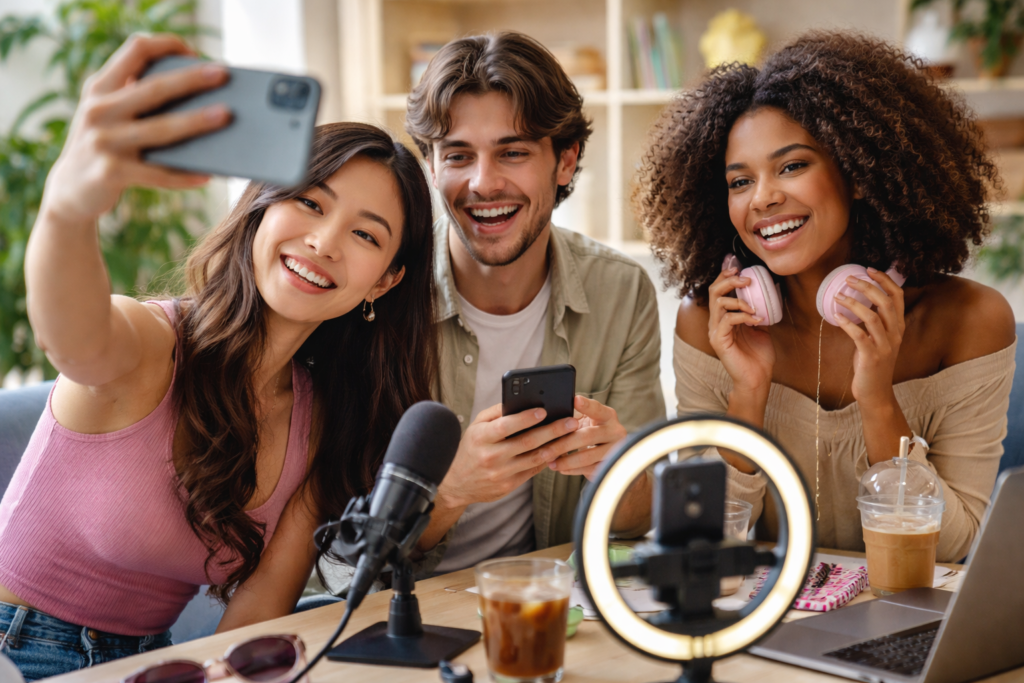
A few years ago, entertainment trends felt predictable. Music labels decided what topped the charts, studios dictated what went viral, and celebrities were distant figures seen mostly on billboards and late-night shows. That rhythm no longer exists. Today, trends emerge from bedrooms, comment sections, and short-form videos filmed on phones.
You can feel the shift when a song explodes overnight because someone danced to it, or when a forgotten movie suddenly dominates conversations again. These moments are not accidents. They are the result of influencers quietly becoming the main architects of pop culture, reshaping how entertainment is created, consumed, and remembered.
The Shift From Gatekeepers to Creators
Traditional media once acted as the gatekeeper of culture. Radio stations controlled music discovery. Studios decided which stories were worth telling. Now, influence flows in the opposite direction.
Social media influencers sit at the center of entertainment discovery. They introduce audiences to music, shows, books, and trends through content that feels personal rather than promotional. This direct connection has shifted power away from institutions and toward individuals who understand online communities deeply.
Audiences no longer wait to be told what matters. They follow creators whose tastes align with their own, trusting recommendations that feel real and unfiltered.
How Influencers Shape What We Watch, Listen to, and Read
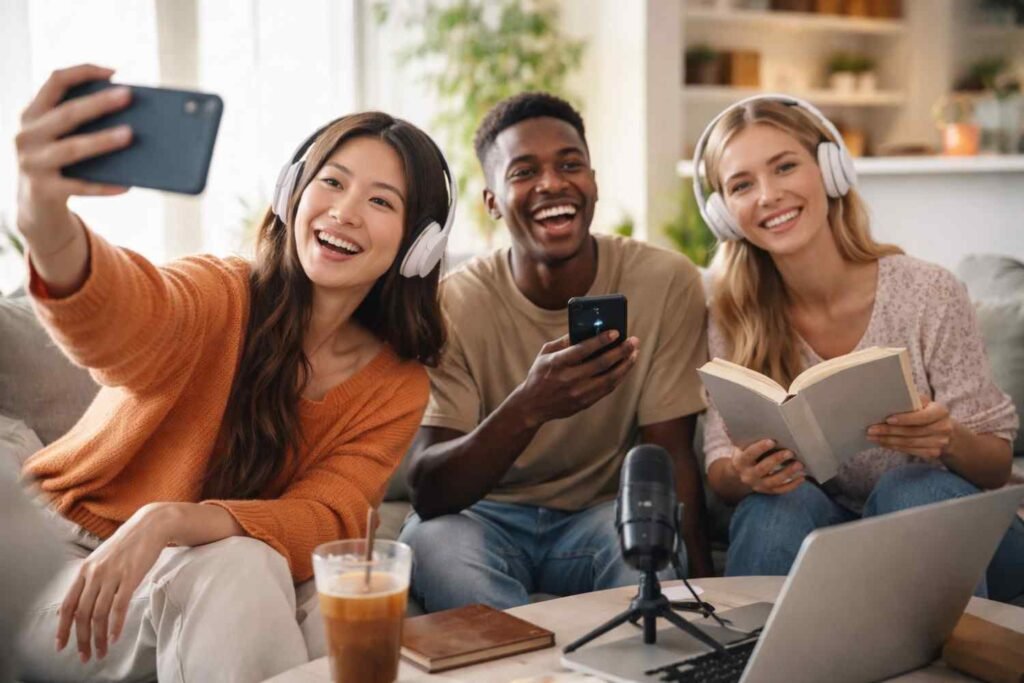
Influencers don’t just react to entertainment trends. They actively create them.
Music discovery now starts on platforms like TikTok and Instagram. A short clip, a remix, or a challenge can turn an unknown track into a chart-topping hit within days. Listeners often hear songs online before they ever reach the radio or streaming playlists.
Books have experienced a similar revival. Online reading communities have transformed older titles into bestsellers again, proving that enthusiasm spreads faster when it feels organic. Instead of polished marketing campaigns, a creator’s emotional reaction to a story becomes the driving force behind sales.
Film and television marketing has adapted as well. Studios increasingly rely on influencer-driven buzz rather than traditional trailers. Early access screenings, behind-the-scenes content, and casual reactions create a sense of urgency that formal advertising often fails to spark.
Redefining Celebrity in the Digital Age
Fame no longer feels unreachable. Influencers have changed what celebrity looks like and how it forms.
Many creators build massive followings simply by being consistent, relatable, and present. This accessibility fuels the “I could do that too” mindset, especially among younger audiences. As a result, the path to recognition feels less restricted and more democratic.
Micro-influencers play a key role here. While they may have smaller audiences, their communities are often tightly connected and highly engaged. Their opinions carry weight because trust replaces spectacle.
At the same time, digital fame now overlaps with traditional entertainment. Influencers regularly cross into television, film, and mainstream media, blurring the line between online creators and conventional celebrities.
The Rise of Fast, Fleeting Microtrends
Entertainment trends used to move slowly. Now they burn bright and fade fast.
Influencers accelerate this cycle by responding instantly to what audiences engage with. Short-form content allows trends to peak within weeks instead of seasons. Creators who move quickly thrive, while slow adopters get left behind.
Nostalgia has become a powerful fuel for these microtrends. Influencers revive past aesthetics, sounds, and styles, remixing them for modern audiences. What feels new is often a familiar idea reintroduced through a contemporary lens.
This rapid turnover keeps entertainment culture dynamic but also fleeting, making relevance a constant pursuit.
Cultural Influence Beyond Entertainment

Influencer impact extends well beyond music and movies. Pop culture now overlaps with social values, language, and identity.
Creators shape conversations around mental health, climate awareness, and social justice, often reaching audiences that traditional media struggles to engage. Their influence feels personal, which makes messages resonate more deeply.
Language evolves the same way. Memes, slang, and phrases spread from influencer content into everyday speech almost instantly. What starts as a joke online quickly becomes part of daily communication.
At the same time, constant visibility has encouraged people to treat their lives as content. Personal branding has become normalized, with many viewing everyday moments through the lens of potential virality.
The Economic Power Behind Influencer-Driven Entertainment
The entertainment industry has followed the audience. Advertising budgets continue shifting toward influencer marketing because attention now lives there.
Brands prioritize user-generated content that feels authentic over polished campaigns. Audiences respond better to entertainment that blends naturally into their feeds rather than interrupting them.
Influencers also allow brands to reach specific niches with precision. Whether it’s gaming, sustainability, or finance-focused entertainment, creators connect directly with communities that traditional channels cannot segment effectively.
This economic shift reinforces influencer authority, ensuring their role in shaping entertainment will continue to grow.
Frequently Asked Questions (FAQs)
1. How do influencers affect pop culture trends?
Influencers introduce, amplify, and normalize trends by sharing content that feels personal and relatable. Their recommendations often reach audiences faster than traditional media.
2. Why are micro-influencers so influential today?
Micro-influencers build strong trust within smaller communities. Their engagement levels are often higher, making their opinions feel more genuine and impactful.
3. Are influencers replacing traditional celebrities?
They are redefining celebrity rather than replacing it. Influencers and traditional celebrities increasingly overlap, creating a blended entertainment ecosystem.
4. Do entertainment trends last shorter today?
Yes. Influencer-driven microtrends move faster, often peaking and fading within weeks due to rapid content cycles and constant audience feedback.
Final Thoughts
Influencers have fundamentally changed how entertainment trends emerge and evolve. What feels popular today is shaped less by corporate decisions and more by everyday creators who understand digital culture intuitively. This shift has made entertainment more participatory, faster-moving, and deeply personal for audiences worldwide.
As platforms evolve, influence will continue to belong to those who can connect authentically, adapt quickly, and reflect the interests of the communities they serve.