


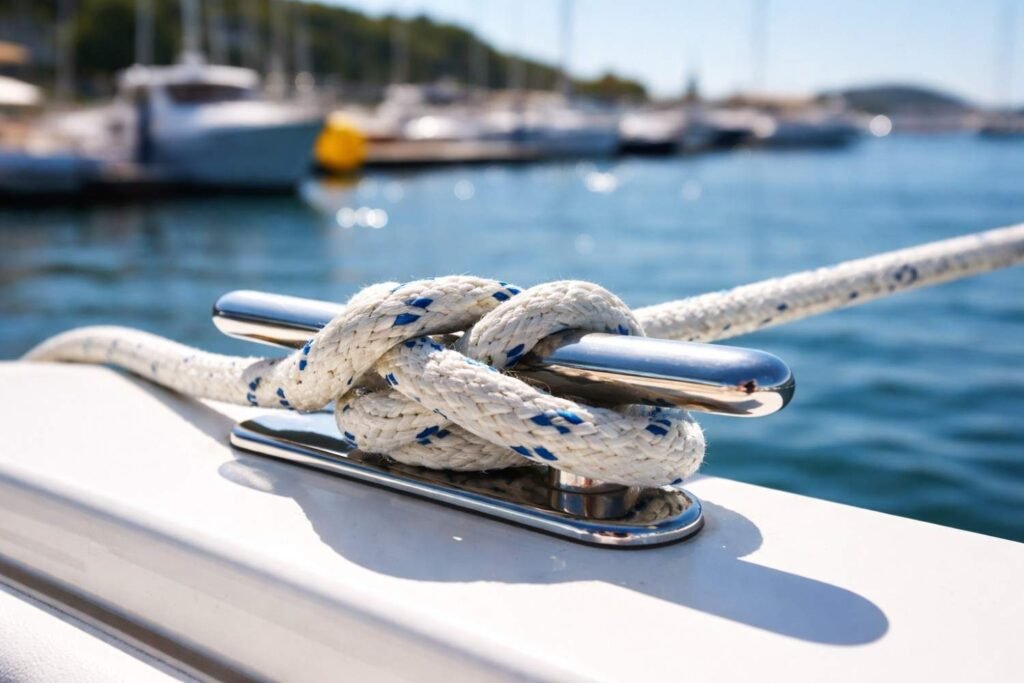
When it comes to marine essentials, one of the most critical components for any vessel is the rope used to secure it. Whether docking at a marina, anchoring in harbour, or tying down equipment on deck, the boat rope you choose is integral to the safety and longevity of your marine adventures. As an adept SEO copywriter, we’ll steer through a sea of information to guide boat owners and enthusiasts in understanding the importance of selecting the perfect rope for their maritime needs.
The Role of Boat Rope in Marine Safety
Boat ropes perform an array of essential functions that extend beyond the simple task of tying a vessel to a dock. They are responsible for mooring, towing, anchoring, and rigging, each of which requires a rope with specific characteristics tailored to these activities. Marine ropes must withstand dynamic loads, resist the corrosive effects of saltwater, and exhibit longevity despite constant exposure to the elements.
Understanding Rope Materials
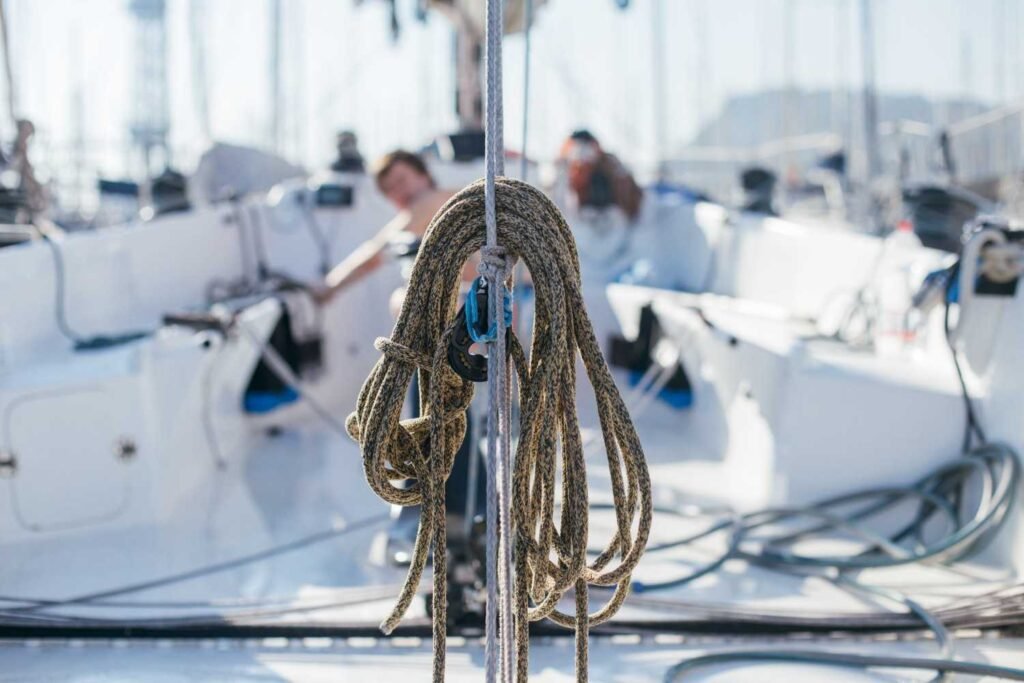
The material composition of a boat rope significantly influences its performance and suitability for certain marine conditions. Traditional ropes made from natural fibres such as manila or hemp have made way for synthetic alternatives that provide enhanced strength, durability, and resistance to rotting and abrasion.
Nylon Ropes
Nylon is one of the most popular synthetic materials used for marine ropes. It possesses exceptional strength and is known for its ability to absorb shock loads, such as those experienced during anchoring or mooring. Additionally, nylon ropes have good elasticity, which is beneficial when vessels are buffeted by waves or subjected to sudden movements.
Polyester and Polypropylene Ropes
Polyester is another favoured material for boat ropes, particularly for those seeking minimal stretch and UV resistance. Polypropylene, on the other hand, is a lightweight option that floats and is commonly used in applications where water does not absorb into the rope, thereby maintaining buoyancy.
Considering Rope Construction
The construction of a rope determines its feel, knot-ability, flexibility, and overall handling. There are generally two construction types to be aware of: braided and twisted.
Braided Ropes
Braided ropes comprise intertwined strands that create a strong, cylindrical structure. This construction provides a smooth texture and less potential for kinking or hockling – terms for when ropes become twisted or tangled.
Twisted Ropes
Twisted ropes, known for their classic appearance, consist of fibres twisted together to form a spiralling pattern. They typically offer more stretch than braided ropes and are therefore excellent for applications where some give is necessary, but they may be more prone to unraveling if not properly finished.
Diameter and Length Considerations
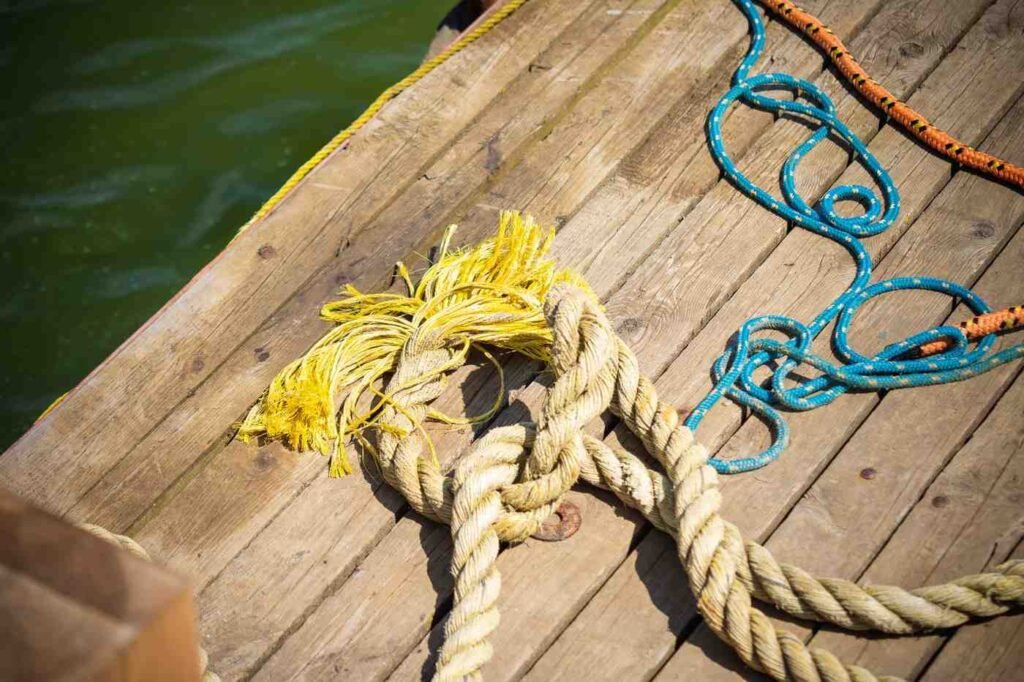
The diameter and length of your boat rope are also key factors to consider. Diameter correlates with strength – the thicker the rope, the more weight it can bear. However, it is crucial not to choose a rope too thick for your vessel’s cleats or winches. Length is equally important, as having a rope too short could leave you unable to secure your boat effectively at a dock or when anchored.
Matching Rope to Vessel Size
A general rule of thumb when selecting rope diameter is to opt for a thickness of 1/8 inch per 9 feet of boat length. However, this is a guideline and not a one-size-fits-all solution, since vessel weight and docking conditions also need to be considered.
Environmental Factors
The marine environment is a hostile one for ropes, so it is essential to choose a rope that can resist UV rays, saltwater, and chafing. Such attributes contribute to the longevity of the rope, reduce maintenance needs, and, most importantly, ensure it does not fail when you need it most.
Colour and Visibility
While often overlooked, the colour of your boat rope does matter. High-visibility colours can be advantageous in busy marinas or when manoeuvring at night. Moreover, different coloured ropes can be used to identify various lengths or purposes, aiding in vessel organisation and preventing errors while mooring or anchoring.
Maintenance and Storage
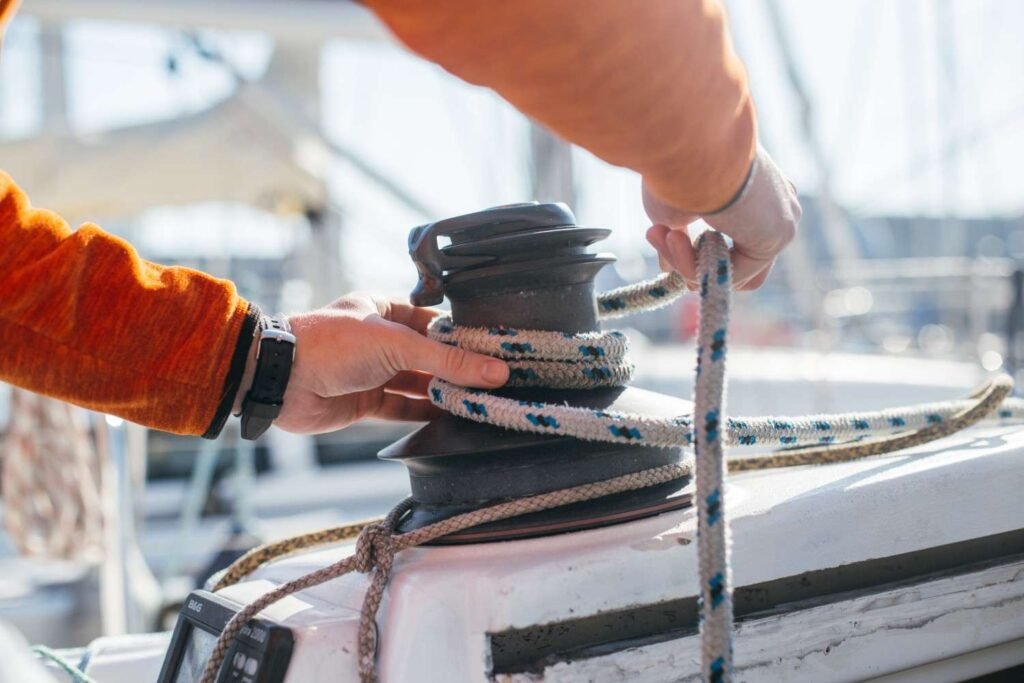
To prolong the life of your boat rope, proper maintenance and storage are imperatives. Ropes should be regularly inspected for signs of wear, chafing, or damage, and washed to remove salt or grit that can accumulate within fibres. When not in use, store ropes dry and away from direct sunlight in a well-ventilated space.
Consulting the Experts
For those uncertain about the best choice in marine ropes, consulting with professionals is highly recommended. Suppliers and manufacturers of boat rope can offer tailored advice based on your specific requirements and provide insight into the latest advancements in marine rope technology.
The Takeaway
Finding the perfect boat rope is a balance between material, construction, diameter, length, environmental resistance, and visibility. Always prioritise quality and consider the unique demands of your maritime activities. With the right care and selection, your marine ropes will serve as steadfast allies in securing your vessel, contributing greatly to your peace of mind and safety on the water.
As the demands on maritime equipment continue to evolve with technology and new challenges, so must the attention to detail in choosing every element of your vessel’s gear. Investing time in selecting the most suitable boat rope will not only ensure security but will also enhance your boating experience, letting you set sail with confidence.