


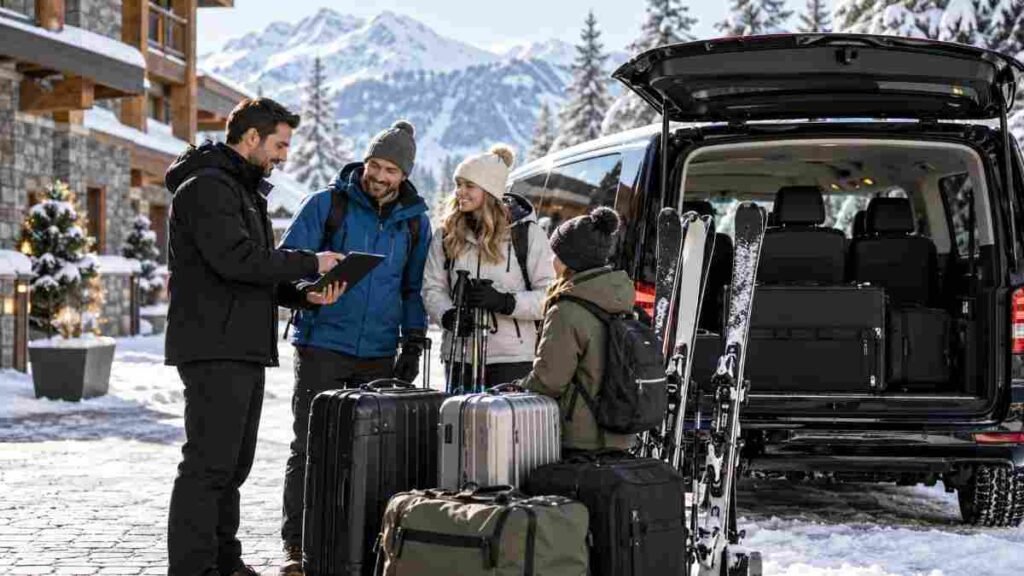
A private Vail transfer should be booked around the actual itinerary rather than a general request for a car. Airport arrivals, hotel pickups, ski equipment, and group size all affect the arrangement. A clear description helps the provider confirm whether the proposed service fits.
Before requesting a quote, collect flight details, passenger numbers, luggage, and the final destination. Include any accessibility or child-restraint needs. Explain the trip’s priorities, such as a fixed arrival time or a comfortable transfer after a long journey.
Understand the quote and the delay policy
Ask what the price includes and which circumstances may add charges. Waiting time, extra stops, changes, and late cancellations may be handled differently between providers. Clarify how the driver monitors or responds to flight changes and where the group should meet.
When looking into a Vail limousine service, confirm the vehicle type and capacity rather than relying on the word limousine as a complete specification. Ask about equipment storage, the travel-day contact, and the procedure for weather-related disruption. Save the final confirmation and share the key details with the group. A well-defined booking makes the service easier to compare and reduces the chance that passengers and provider arrive with different expectations about timing, space, or the trip itself.
Ask the provider to describe the meeting process in enough detail that a first-time visitor could follow it. Confirm whether the driver meets passengers inside, waits at an agreed location, or provides instructions after arrival. Find out what to do if the group cannot locate the vehicle.
Review the itinerary for stops that may require additional time, including collecting equipment or reaching accommodation with restricted access. Do not assume an informal request is included in the original quote. Confirm changes through the provider’s stated process and keep the updated booking. Clear instructions and a realistic itinerary make the transfer easier to manage, particularly when a flight delay or weather change affects the original plan.
Build the schedule around real constraints
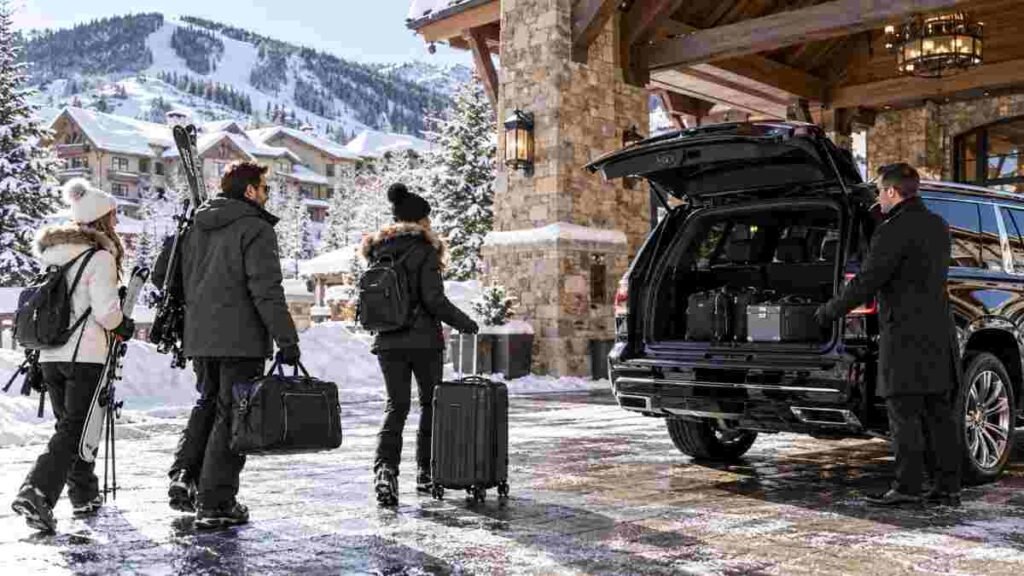
Start with the time you need to arrive, then account for check-in, equipment handling, and the distance between the drop-off point and the activity itself. Mountain weather and traffic can affect a schedule, so a plan with no flexibility is difficult to maintain.
Confirm current operating hours and conditions with the relevant provider close to the travel date. A route, service, or pickup arrangement that worked on a previous trip may have changed. Keep essential contact information accessible without relying entirely on a mobile signal, and share the final plan with everyone traveling in the group.
Confirm what the booking includes
Read the reservation details before paying. Equipment, storage, waiting time, cancellation terms, and responsibility for late arrivals may differ between providers. If you have a particular need, explain it directly and ask for confirmation rather than assuming it is standard.
Count passengers and belongings realistically. Bulky winter clothing, luggage, and sports equipment can use more space than expected. For any rented equipment, ask about fit, basic operation, and what to do if something does not work correctly. A brief handover is part of preparing for the day, not an inconvenience to skip.
Check these details before departure
- Verify the date, meeting point, and responsible contact.
- Confirm capacity for people and equipment.
- Review changes, cancellation, and delay policies.
- Carry the clothing and essentials the conditions require.
- Know the plan if weather or timing changes.
Keep the day manageable
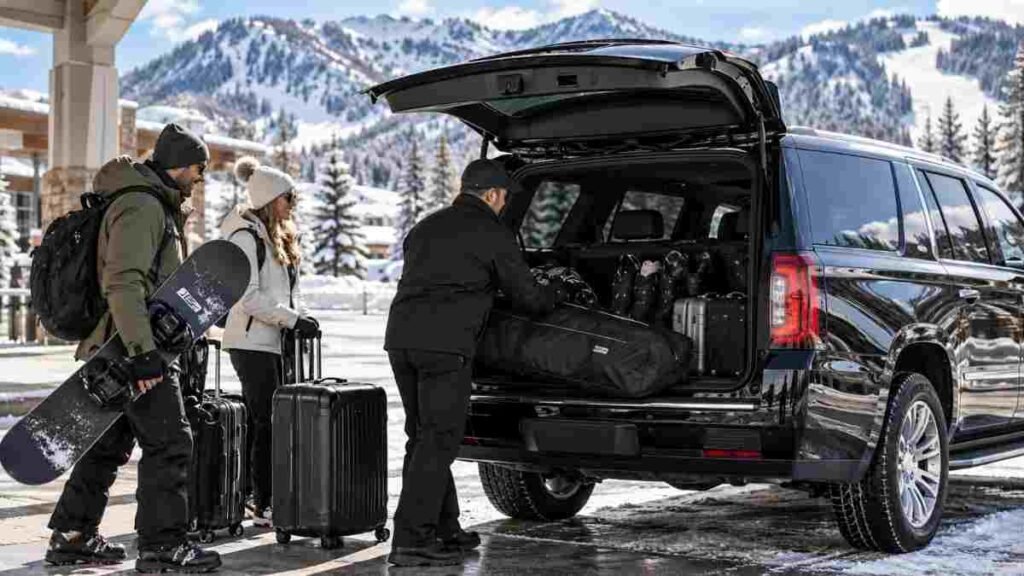
Choose an itinerary that matches the least experienced person in the group when you intend to stay together. Build in time for food, rest, and ordinary delays. Trying to fit every possible stop into one outing often creates more waiting and rushing than enjoyment.
Before leaving the provider, ask how returns, pickups, or after-hours questions are handled. Photograph existing rental damage when appropriate and keep booking confirmations until the trip is complete. At the end of the day, check for belongings before moving on. Thoughtful preparation gives the group more freedom to enjoy the destination because the practical details are already understood.
Choose one person to hold the booking details, but make sure another traveler can access the essentials if that person’s phone is unavailable. Confirm the correct contact method for delays rather than assuming a reply to an old confirmation message will reach the right person. If plans change, send one clear update to the group with the revised time and meeting point. Consistent information prevents small misunderstandings from turning into missed pickups or unnecessary waiting.
Request a transfer quote from Snow Country and confirm the vehicle, meeting process, capacity, and delay terms before booking.