


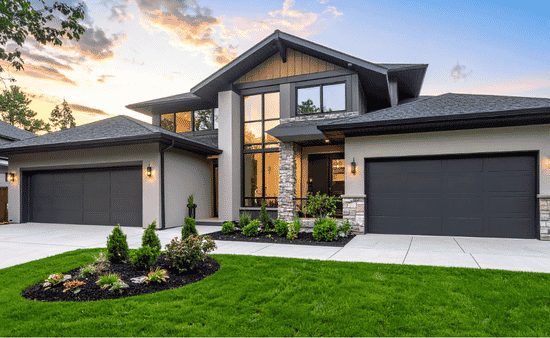
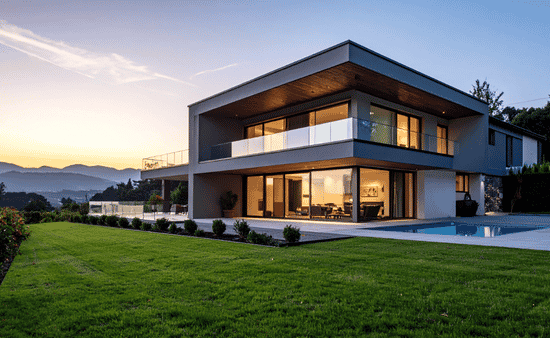
Modern architecture features clean lines, open floor plans, and a seamless connection between indoor and outdoor spaces. Creating an outdoor environment that complements this architectural style requires careful planning and a distinct design approach. A well-executed yard balances striking aesthetics with daily functionality, ensuring the space looks brilliant while serving practical purposes for the homeowner.
Designing a contemporary yard often means stripping away excess clutter. Instead of overflowing flower beds or wildly scattered shrubs, successful designs rely on structure, intention, and restraint. Every plant, pathway, and seating area should serve a specific purpose and contribute to the property’s cohesive visual identity.
This article explores nine distinct strategies to elevate your property’s exterior. You will learn how to select the right materials, incorporate sustainable practices, and design layouts that enhance your property’s overall appeal. By implementing these concepts, you can transform a standard plot of land into a sophisticated extension of your living space.
Key Elements of Contemporary Yard Design
1. Minimalist Plantings
A minimalist approach to planting emphasizes quality over quantity. Instead of packing a garden bed with dozens of different species, modern landscapes utilize a limited color palette and repeat specific plants to create visual harmony. Grouping ornamental grasses or structured succulents creates a clean, organized aesthetic that beautifully frames a house and gives the entire outdoor space a stunning Garden Facelift.
2. Geometric Hardscaping
Hardscaping provides the foundational structure for any contemporary yard. Large, oversized concrete pavers arranged in grid patterns or linear walkways offer a sharp, architectural feel. Leaving uniform gaps between these pavers and filling them with smooth river stones or creeping ground cover adds geometric precision to the layout.
3. Functional Outdoor Living Spaces
Modern landscaping treats the backyard as an open-air room. Sunken seating areas, expansive wooden decks, and concrete patios extend the usable square footage of the property. Furnishing these areas with weather-resistant, low-profile furniture ensures the outdoor space feels like a natural continuation of the interior living room.
4. Smart Lighting Systems
Proper illumination extends the usability of a yard long after the sun goes down. LED strip lighting hidden under stair treads or built into retaining walls provides a soft, ambient glow without exposing harsh fixtures. Automated smart lighting systems allow homeowners to adjust brightness and color temperatures directly from their smartphones.
5. Native and Drought-Tolerant Plants
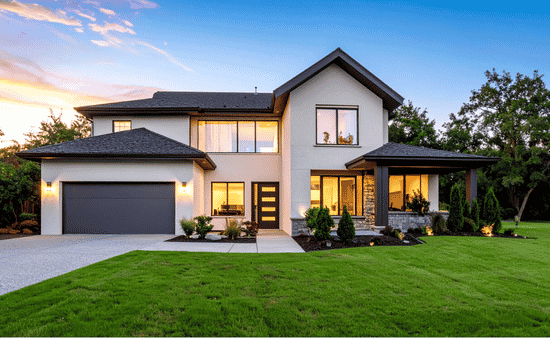
Sustainability plays a massive role in current landscape design. Homeowners frequently replace thirsty lawns with native, drought-tolerant plants that require minimal irrigation. Xeriscaping conserves vital water resources and drastically reduces the amount of weekend maintenance required to keep the yard looking pristine.
6. Textural Contrast with Bark and Stone
Applying different ground covers is an excellent way to add depth and interest to a minimalist garden. Smooth concrete walkways paired with organic materials create a pleasing visual tension. For instance, incorporating small bark mulch in Salt Lake City provides a refined, consistent texture that defines garden beds while retaining essential soil moisture.
7. Vertical Gardens and Living Walls
When horizontal space is limited, modern design looks upward. Vertical gardens and living walls soften harsh exterior fences and concrete retaining walls. These green installations act as natural art pieces, providing necessary privacy while introducing vibrant foliage to compact urban environments and helping homeowners Create Your Dream Garden with style and functionality.
8. Sustainable Water Features
Traditional decorative fountains waste significant amounts of water, making them less popular in contemporary designs. Modern water features utilize self-contained, recirculating systems that minimize evaporation. A sleek, corten steel reflecting pool or a simple cascading water wall introduces soothing ambient noise without draining local water supplies.
9. Fire Features and Gathering Zones
Fire pits remain a staple of outdoor design, but their aesthetic has evolved significantly. Sleek, rectangular gas fire tables or sunken concrete fire pits have replaced rustic, stacked-stone campfires. These modern fire features serve as stunning focal points that anchor a seating area and keep the yard comfortable during crisp autumn evenings.
Final Thoughts on Modern Yard Design
Designing a modern landscape requires an intentional focus on simplicity, structure, and sustainability. Every element introduced to the yard should harmonize with the home’s architecture, creating a unified property that flows effortlessly from the front door to the back fence.
By prioritizing geometric layouts, durable hardscaping, and structured plantings, homeowners can craft an outdoor environment that is incredibly stylish and easy to maintain. A carefully considered landscape ultimately elevates the daily living experience, providing a serene, organized space to relax and recharge.