



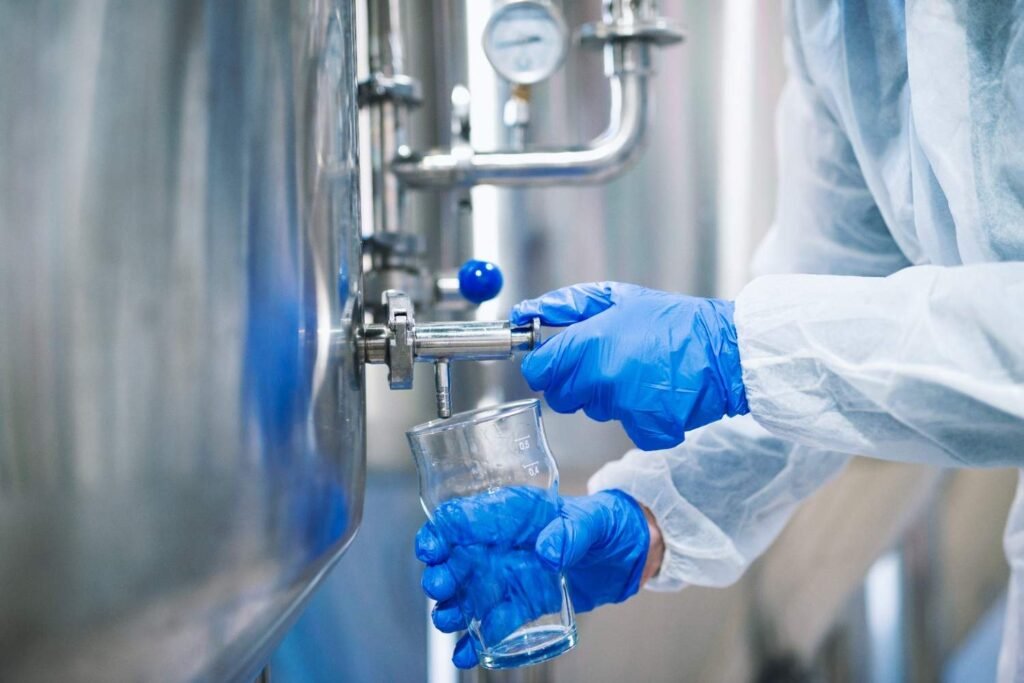
Water treatment is an essential process for ensuring the availability of clean and safe water for various applications, ranging from industrial to domestic use. The significance of effective water treatment services lies in their ability to remove pollutants, harmful contaminants, and pathogens, thereby safeguarding public health and sustaining the environment. As demand for potable water rises globally, advancements in water treatment technologies and expert service providers have become vital contributors to delivering sustainable clean water solutions.
The Importance of Water Treatment
Water quality directly impacts human health, agriculture, and industrial operations. Contaminated water supplies can result in waterborne diseases, environmental degradation, and operational inefficiencies in manufacturing processes. Therefore, the implementation of comprehensive water treatment mechanisms is necessary to address issues such as microbial contamination, chemical pollutants, turbidity, and scaling compounds, forming a broader approach to health care that prioritizes prevention and public safety.
Through processes such as filtration, sedimentation, disinfection, and chemical treatment, water treatment services eliminate a broad spectrum of impurities. These measures ensure the treated water meets or exceeds established safety standards, facilitating its use in consumption, irrigation, or industrial applications. In addition, water treatment plays a critical role in wastewater management, enabling effluent reuse and reducing environmental impact.
Core Processes in Water Treatment
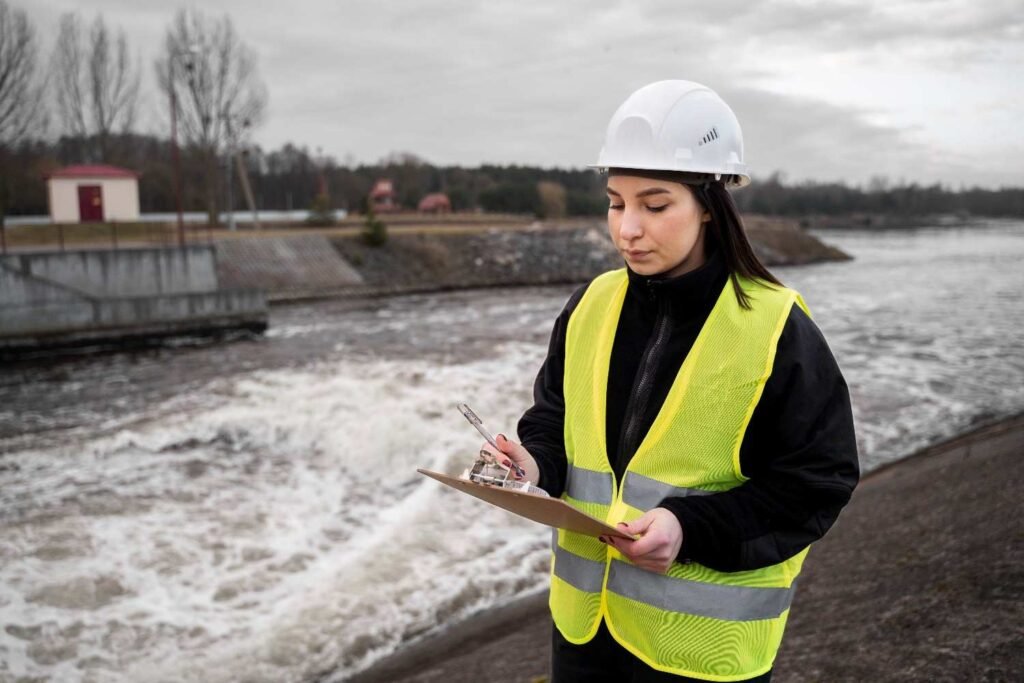
Expert water treatment services implement a sequence of procedures designed to thoroughly cleanse water. Primary treatment typically involves physical separation methods to remove suspended solids and particulates. Secondary treatment focuses on biological or chemical means to target dissolved organic matter and pathogens.
Advanced treatment stages may include membrane technologies like reverse osmosis, ultraviolet (UV) sterilisation, and advanced oxidation processes. These techniques are pivotal for achieving high purity levels, especially in scenarios requiring ultra-clean water, such as pharmaceutical manufacturing or microelectronics production. The integration of these stages depends on the quality of the source water and the intended use of the treated water.
Benefits of Professional Water Treatment Services
Engaging professional water treatment providers guarantees access to customised solutions tailored to specific water quality challenges. Experts conduct thorough water quality assessments to determine the optimal treatment configuration. Besides technical proficiency, professional services ensure compliance with regulatory frameworks governing water safety and environmental conservation.
Additionally, expert water treatment companies offer comprehensive support, including installation, maintenance, and monitoring services. This holistic approach enhances system reliability and operational lifespan, mitigating risks associated with water contamination or equipment failure. Such proficiency is indispensable for industries that depend on consistent water quality for their processes.
Water Treatment and Environmental Sustainability
Water treatment services contribute significantly towards environmental sustainability by promoting resource conservation and pollution prevention. By enabling the recycling and reuse of water, these services reduce freshwater withdrawals and diminish sewage discharge into aquatic ecosystems. Sustainable water management practices facilitated by water treatment technologies align with global objectives to preserve natural water bodies and ecosystems.
Moreover, eco-friendly water treatment methods such as biological treatment processes and energy-efficient systems minimise the environmental footprint. Expert providers continuously innovate to integrate greener technologies that reduce chemical usage and energy consumption, further supporting eco-conscious water management.
Technological Innovations in Water Treatment
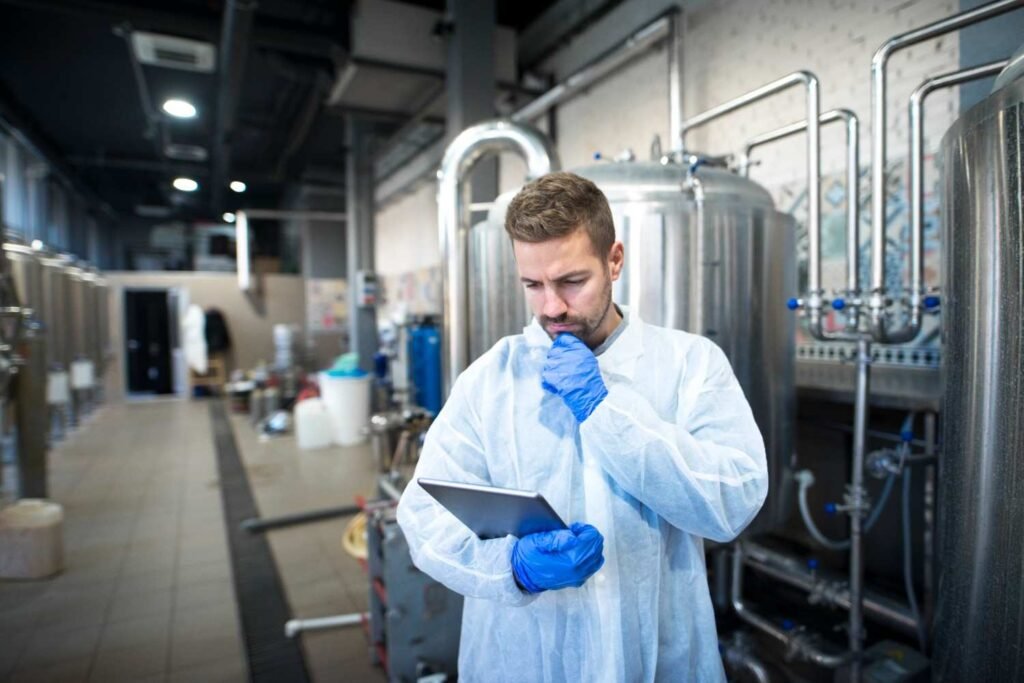
Recent advances in water treatment technologies enhance efficiency and treatment outcomes. Digital monitoring and automated control systems allow precise regulation of treatment parameters and real-time water quality analysis. Internet of Things (IoT) integration improves predictive maintenance and optimises resource use.
Emerging materials like graphene membranes promise increased filtration efficiency and durability. Meanwhile, novel disinfection approaches reduce reliance on traditional chemicals such as chlorine, preventing the formation of harmful by-products. These innovations contribute to safer, cost-effective, and sustainable water treatment solutions.
The Role of Expert Providers in Water Treatment
Selecting a reputable water treatment service provider is critical to installing reliable and effective systems. Industry leaders bring extensive experience, regulatory knowledge, and access to cutting-edge technologies. Their service offerings encompass site assessment, system design, procurement, and comprehensive after-sales support, ensuring clients achieve optimal water quality outcomes.
Furthermore, expert providers can customise solutions across sectors including municipal water supply, agriculture, manufacturing, mining, and hospitality. This versatility is particularly important as different industries face unique water treatment challenges requiring specialised approaches and compliance measures.
Clients benefit from partnerships with water treatment specialists who remain abreast of evolving standards, environmental policies, and technological progress. This ensures long-term adaptability, system efficiency, and sustainability.
Case for Investing in Professional Water Treatment Solutions
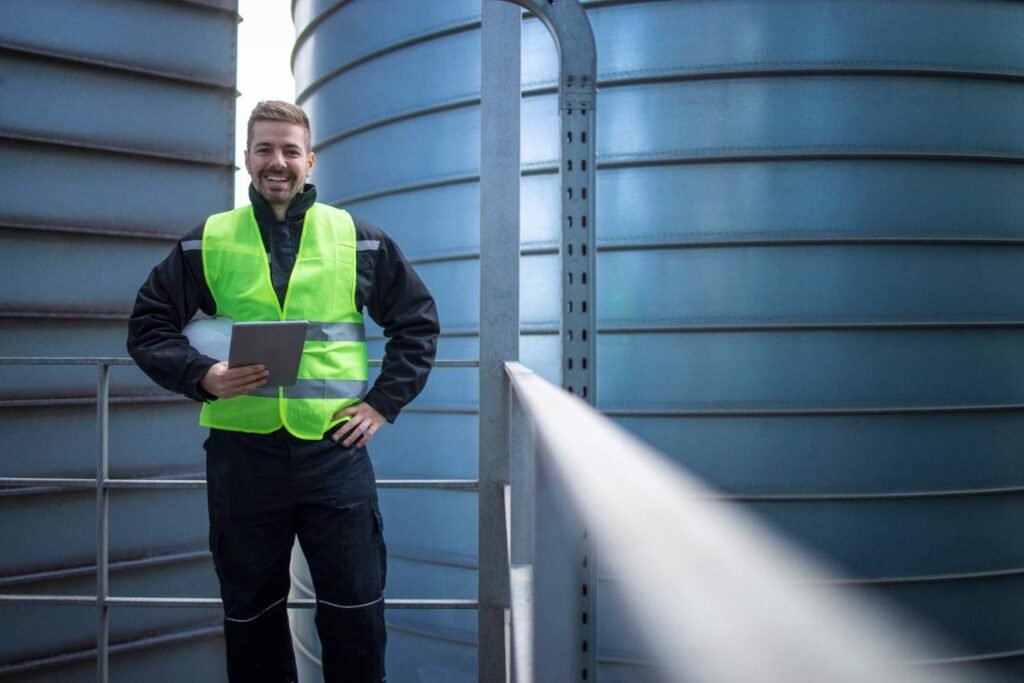
Investing in professional water treatment systems is not merely about regulatory compliance; it enhances overall operational resilience and corporate responsibility. Quality treated water reduces operational downtime caused by equipment fouling or contamination. It also improves product quality where water is an input factor.
Additionally, effective water treatment minimises health risks to workers and communities by controlling waterborne hazards. Enhanced reputation from environmentally conscious water management supports stakeholder trust and may provide competitive advantages.
Conclusion
In summary, advancing clean solutions through expert water treatment services is an integral component of modern water management. Efficiency, sustainability, and health protection are collectively achieved through sophisticated treatment technologies and professional expertise. As global water challenges intensify, collaborative efforts with skilled service providers remain essential to securing reliable access to clean and safe water resources.
For those seeking comprehensive water treatment solutions, partnering with established experts ensures a robust commitment to quality, innovation, and environmental stewardship.