



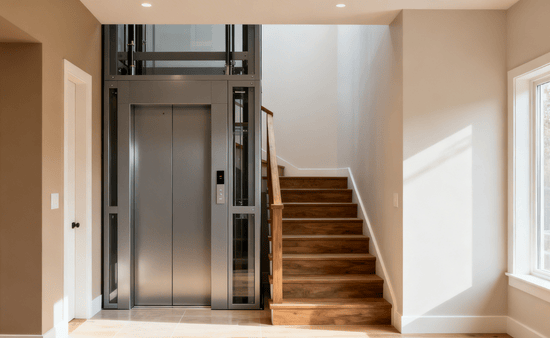
Installing a compact elevator is one of the most practical upgrades a homeowner can make to a multi-story property. Understanding what the planning process involves from the very beginning sets you up for a smoother, more cost-effective installation.
Why Planning Comes Before Everything Else
A home elevator is not a plug-and-play addition. It requires careful evaluation of your floor plan, your home’s structural condition, and the specific requirements of the elevator system you choose. Skipping this step often leads to unexpected costs mid-project — or worse, discovering that your preferred system simply does not fit your space without significant structural work.
Getting the planning right from the start also helps you avoid disrupting more of your home than necessary. The goal is to integrate the elevator as naturally as possible into your existing layout, not to build your layout around the elevator.
How Much Space Does a Home Elevator Actually Need?
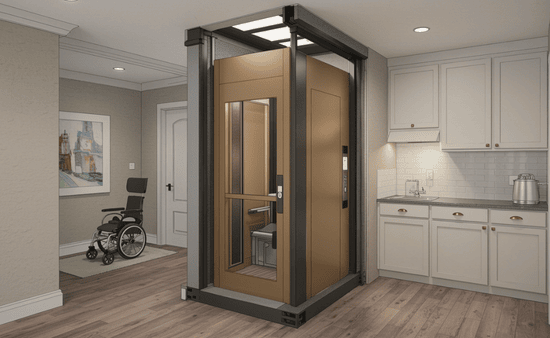
One of the most common concerns homeowners have is whether their home is simply too small for an elevator. In most cases, a compact system can be accommodated with less space than people expect — provided the right system is chosen for the right floor plan.
Hoistway Footprint
The hoistway is the vertical shaft through which the elevator cab travels. For compact residential systems, the hoistway footprint typically ranges from 18 to 25 square feet. The cab interior itself is generally around 12 to 15 square feet — sufficient for one person and a mobility device if needed.
The key is finding a contiguous vertical space that aligns across each floor. Even a few inches of misalignment between floors can complicate the shaft construction significantly, so precise measurement is essential before any structural work begins.
Overhead and Pit Requirements
Beyond the floor footprint, vertical clearances are equally critical. Most standard residential elevator systems require between 9 and 11 feet of total overhead space above the highest landing. This accommodates the drive mechanism, the cab at its top position, and the required safety buffers above it.
Below the lowest landing, most systems require a pit — a shallow recessed area typically between 6 and 12 inches deep. Homes built on slab foundations may find pit excavation more involved, making this an important early conversation with your installer.
Pneumatic elevator systems remain the exception to both of these requirements. Because they are self-supporting and pressure-driven, they need no pit and minimal overhead clearance, making them a popular choice for homes where structural modifications need to be kept to a minimum.
Finding the Right Spot in Your Home
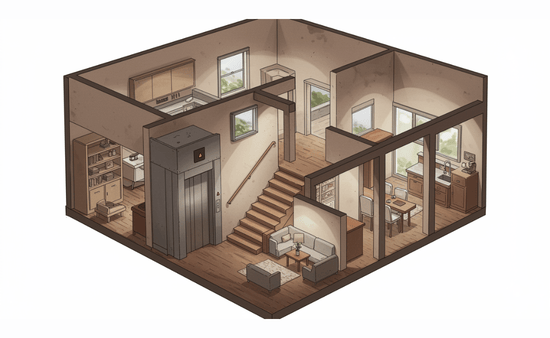
Identifying where to place the elevator is often the most critical planning decision. The placement affects structural complexity, construction cost, and how naturally the elevator integrates into your daily use of the home.
Next to the Staircase
The space immediately adjacent to an existing staircase is frequently the most practical placement. The staircase already defines a vertical travel path through the home, and the area alongside it often contains unused space that can be converted into a hoistway without disturbing primary living areas.
Converted Closet Spaces
Aligned closets on adjacent floors are another common solution. When a pair of closets on different levels share the same footprint, converting them into a hoistway is often one of the least invasive approaches available. This is particularly useful in homes where open living space is limited and every square foot matters.
Exterior Addition
When interior space is genuinely insufficient, building a small exterior addition to house the elevator shaft is a viable alternative. While this approach involves more construction and a higher upfront cost, it preserves the existing interior layout and can be designed to blend cleanly with the home’s exterior.
Structural and Electrical Readiness
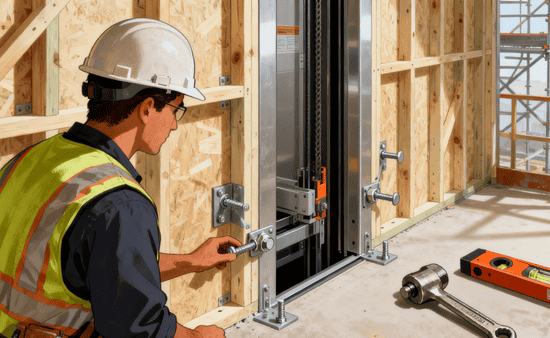
Space is only one part of the equation. Your home’s structural and electrical systems must also be assessed before installation can begin.
Floor and ceiling framing needs to be strong enough to bear the elevator’s weight and the loads it carries during operation. Older homes in particular may require reinforcement to meet manufacturer specifications. Wall framing around the hoistway must also be solid enough to anchor guide rails and support the shaft walls securely.
On the electrical side, home elevators require a dedicated circuit. Hydraulic systems in particular draw considerable power during operation, and homes with older or smaller electrical panels may need an upgrade before installation can proceed. A licensed electrician should review your panel capacity early in the planning process.
The Value of a Professional Site Assessment
No amount of online research fully replaces a hands-on evaluation of your specific home. A qualified installer will measure your available space, review your structural conditions, and recommend the system best suited to your floor plan and budget.
Homeowners considering small home elevators in Reno, NV, should also factor in local permitting requirements. Building permits are required for elevator installations, and the inspection process involves multiple checkpoints throughout the project. Working with a licensed local installer ensures the permitting process is handled correctly and the installation meets all applicable safety codes.
Conclusion
Good planning is what separates a smooth elevator installation from a costly, drawn-out project. Take the time to assess your space, consult with a qualified professional, and you will be well on your way to a home that works better for everyone who lives in it.