




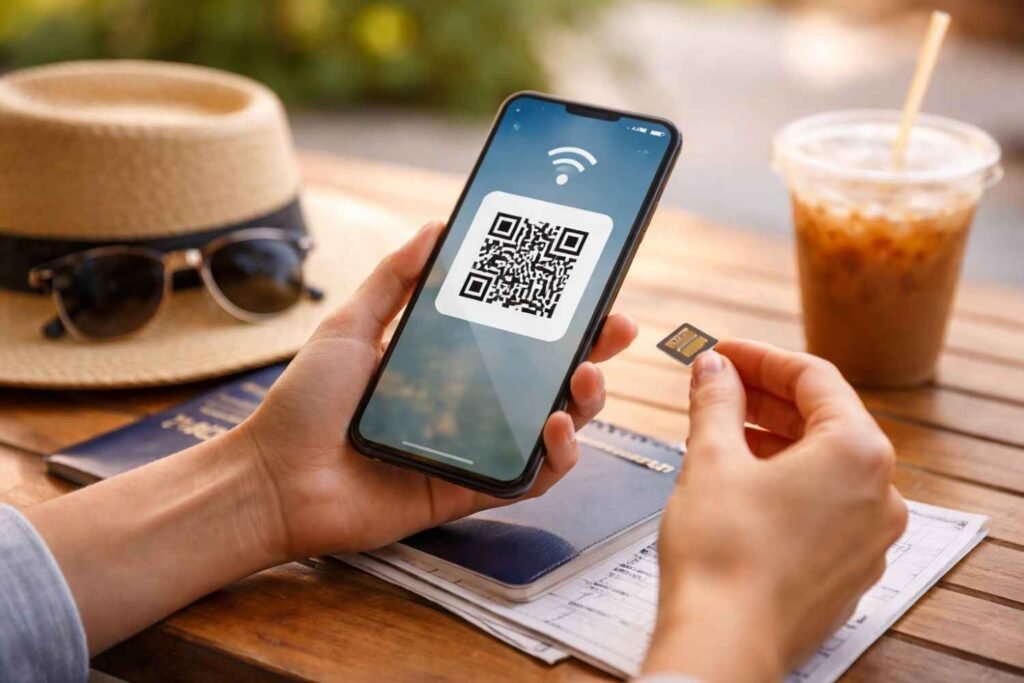
Reliable mobile internet has become an essential part of modern travel. Maps, digital tickets, messaging, and ride services depend on stable connectivity during trips. Traditional roaming plans may work, yet they often include higher costs or limited flexibility across countries. eSIM technology offers a digital alternative that helps travelers access mobile service through simple device settings.
Embedded SIM Technology Inside Modern Devices
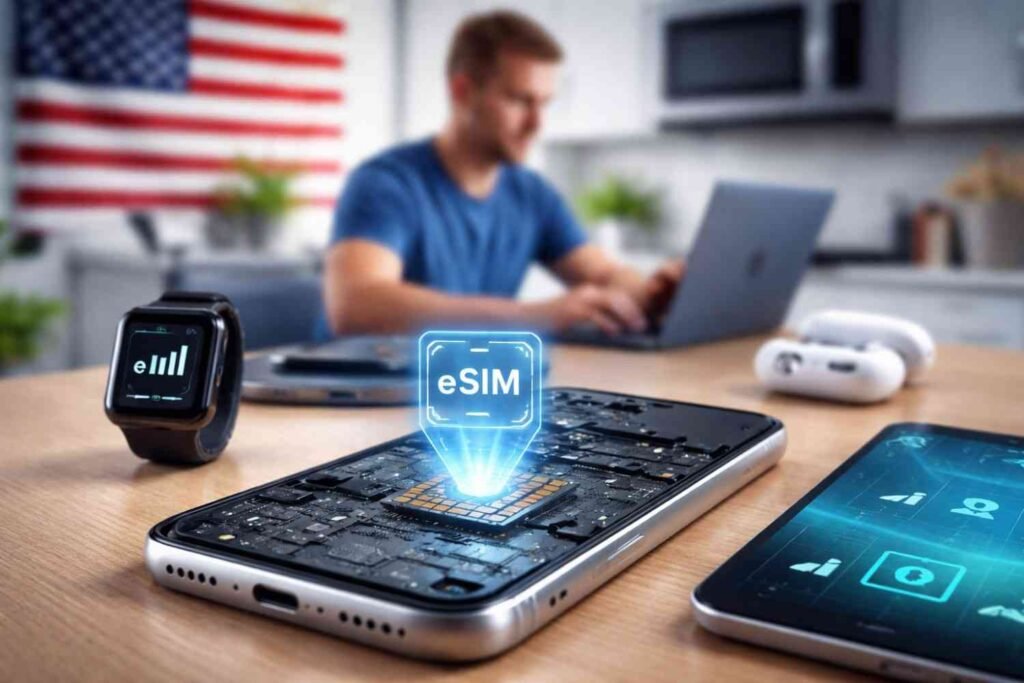
Many recent smartphones include an embedded SIM chip built directly into the device hardware. Many travelers rely on convenient eSIM plans when a device supports this built-in technology. The embedded chip replaces the removable SIM card used in traditional mobile connections. Network profiles install digitally, which allows the device to connect to a mobile carrier.
This technology allows multiple network profiles within a single smartphone. Travelers can store several profiles and activate the required one through device settings. A switch between profiles takes only a few seconds. This digital structure helps simplify mobile connectivity during international trips.
Digital Activation Without Physical SIM Cards
Traditional SIM cards often require purchase from airport kiosks or telecom stores. eSIM activation works differently because the process occurs through digital installation. Most providers share a QR code that downloads the mobile network profile to the device. After installation, the phone connects to the local network once it arrives in the destination country.
Digital activation removes the need to insert or replace physical cards. Travelers keep their primary phone number active while using a secondary connection profile for travel. This setup allows messages and calls from the home network to remain accessible. Internet access becomes available through the installed travel profile.
Network Access Through Local Carrier Partners

eSIM services rely on agreements between digital providers and regional telecom operators. These partnerships allow devices to connect directly to local mobile networks within each destination. Direct network access may help improve signal strength compared with standard roaming services. Travelers often experience connectivity similar to local SIM users.
Local carrier access also helps reduce high roaming costs that appear on many international plans. Network traffic routes through the same infrastructure used by local subscribers. This structure helps maintain stable speeds for maps, messaging platforms, and travel apps. Consistent connectivity supports daily travel activities.
Multi-Country Coverage Through Regional Plans
International trips sometimes include several countries within one itinerary. Regional eSIM plans address this situation by covering multiple destinations under one package. A traveler might move across several European or Asian countries without replacing a SIM card. The device automatically connects to supported networks in each location.
This regional coverage helps reduce interruptions when crossing borders. Travelers avoid repeated searches for new SIM cards in every country. Many providers list regional plans that cover large travel zones such as Europe or the Asia Pacific. Convenient eSIM plans with regional coverage help maintain online access across long travel routes.
Package Options for Different Travel Durations
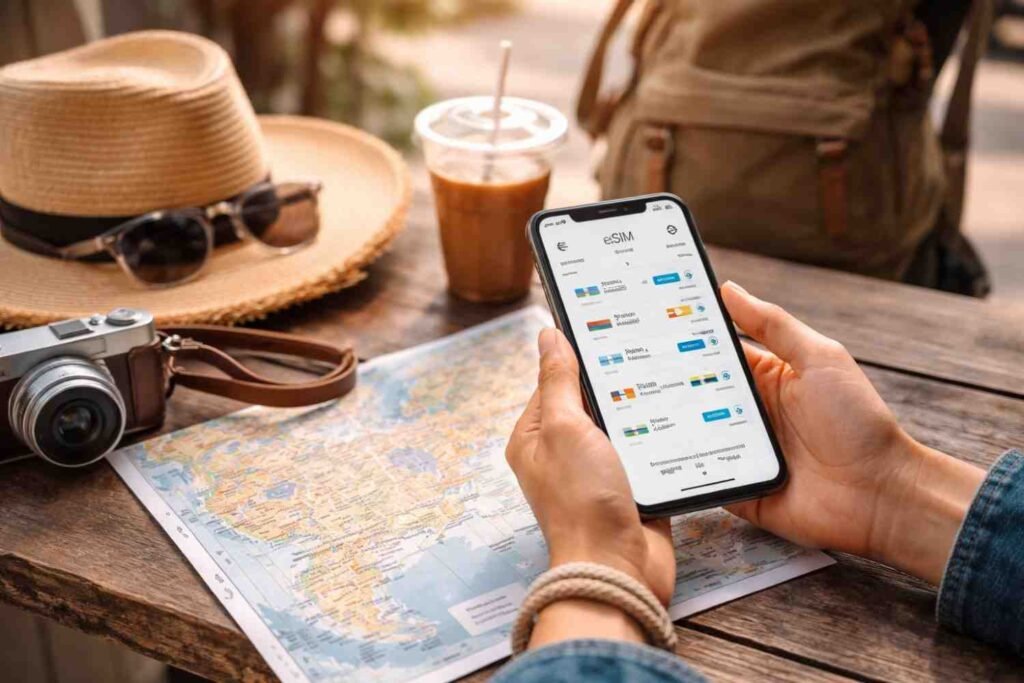
Travel length often determines how much mobile connectivity is necessary. Short visits may require only small packages designed for limited internet use. Extended vacations usually require larger allowances that support frequent online activity. eSIM providers offer various package sizes to match these different technology trends.
Common Package Categories
Most providers organize plans according to allowance size and validity period. These categories help travelers quickly compare available options before purchase. Reviewing plan details helps match a package with expected internet use. Typical categories often include the following.
- Small plans for short city trips
- Medium packages for a week-long travel
- Large plans for extended international vacations
Device Compatibility and Supported Models
Not every smartphone includes embedded SIM capability. Travelers often review device compatibility before purchasing a digital connectivity plan. Most recent flagship phones from major manufacturers include this technology. Compatibility lists from providers help confirm supported models.
Tablets and laptops also include embedded SIM support in some versions. This feature helps maintain mobile connectivity across several devices during travel. Internet access remains available even without public WiFi networks. Wider device support continues to expand across modern consumer electronics.
Security Framework Behind eSIM Connections
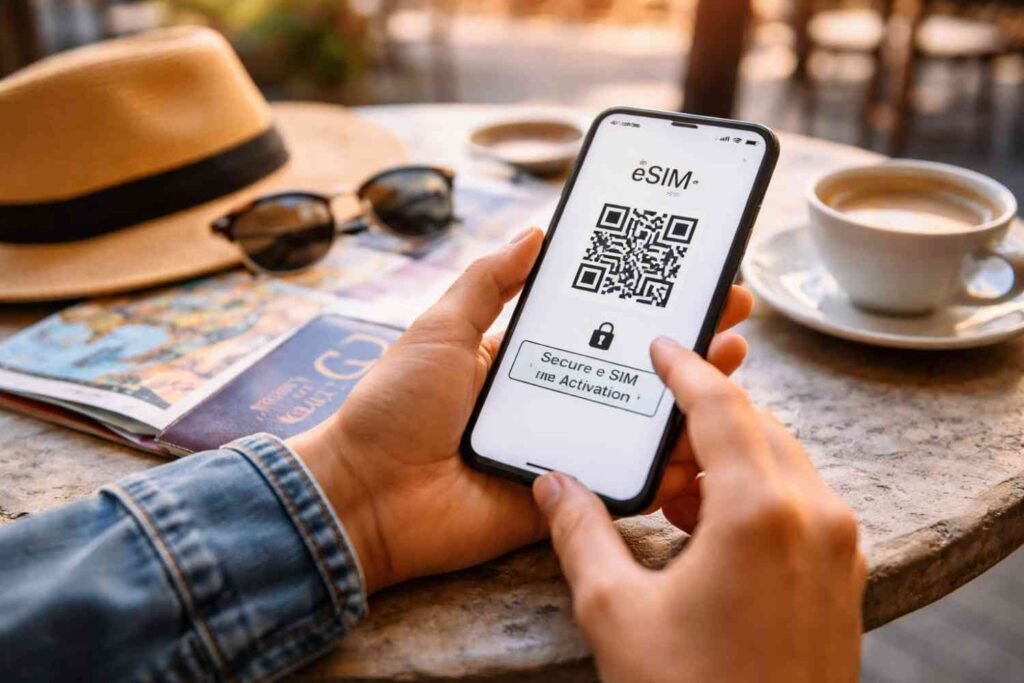
Embedded SIM technology includes authentication systems that verify network communication. This process confirms the identity of the device before it connects to the mobile network. Digital provisioning also reduces risks related to removable SIM cards that may be misplaced. Telecom providers maintain verification procedures before activating a new profile.
Mobile data still follows the same encryption standards used by traditional cellular networks. Security protocols protect data traffic that passes between the device and the carrier network. These safeguards support privacy when travelers use mobile internet abroad. Reliable security measures remain essential for communication and digital transactions.
Travel connectivity continues to shift toward digital SIM solutions that simplify international internet access. Convenient eSIM plans help travelers connect to regional networks without the need for physical SIM cards. Activation, plan selection, and profile management occur directly through compatible devices. As embedded SIM technology spreads across modern electronics, travelers gain a practical option for reliable mobile data during trips.