





The field of autoimmune disease treatment is changing quickly in 2026, giving millions of people new hope. The most recent autoimmune disease treatments, such as precision immunotherapy and biologics intended to reset the immune system, are now accessible in 2026, even if conventional drugs have been essential in the management of autoimmune illnesses.
These developments can provide patients with more individualized and efficient options for controlling their symptoms and enhancing their quality of life when paired with natural therapies.
In this blog, I’ll explore the latest autoimmune disease treatments in 2026, focusing on cutting-edge therapies like CAR T-cell therapy, Regulatory T-cell therapy, and novel biologics, while also highlighting natural remedies that can complement these innovations.
1. CAR T-Cell Therapy: Resetting the Immune System
What Is CAR T-Cell Therapy?
CAR T-cell therapy, traditionally used for cancer treatment, is now being explored as a potential treatment for autoimmune diseases. This therapy involves modifying a patient’s T-cells to target and eliminate autoreactive B cells, which are responsible for inflammation in autoimmune conditions. This “immune resetting” approach aims to restore balance to the immune system and reduce chronic inflammation.
Applications in Autoimmune Diseases
- Myasthenia Gravis: Clinical trials for mRNA-based CAR T-cell therapy are showing promising remission rates, without the genetic edits or toxicities associated with earlier versions.
- Systemic Lupus Erythematosus (SLE): New CD19-targeted CAR T-cell treatments are offering long-term, drug-free remission for patients who previously failed all other treatments.
- Neurological Conditions: In 2026, CAR T-cell therapy is expanding into Multiple Sclerosis (MS) and other neurological autoimmune diseases, demonstrating successful outcomes in initial trials.
What To Expect in 2026:
As CAR T-cell therapies continue to evolve, they are expected to be widely adopted as a front-line treatment for autoimmune diseases like MS and SLE, offering a longer-term solution for those who haven’t responded to traditional treatments.
2. Regulatory T-Cell (Treg) Therapy: “Peacemaker” Cells for Immune Balance
How Treg Therapy Works
Regulatory T-cells (Tregs) play a crucial role in suppressing overactive immune responses and preventing autoimmunity. Researchers are now using Tregs to reprogram the immune system and restore balance, offering a targeted treatment for autoimmune diseases. Treg therapy has shown promise in treating conditions like Type 1 diabetes and Crohn’s disease by reducing chronic inflammation without the need for long-term immunosuppressive drugs.
2025 Nobel Prize in Medicine:
The 2025 Nobel Prize in Medicine was awarded for the discovery of Tregs, accelerating research into their clinical applications. As 2026 trials unfold, Treg therapy could become a major breakthrough for managing autoimmune diseases without the side effects of traditional treatments.
What To Expect in 2026:
Treg therapy is expected to expand significantly in 2026, with clinical trials offering hope for patients with Type 1 diabetes, Crohn’s disease, and other autoimmune conditions.
3. Biologic Treatments: Targeted Therapy for Autoimmune Diseases
What Are Biologics?
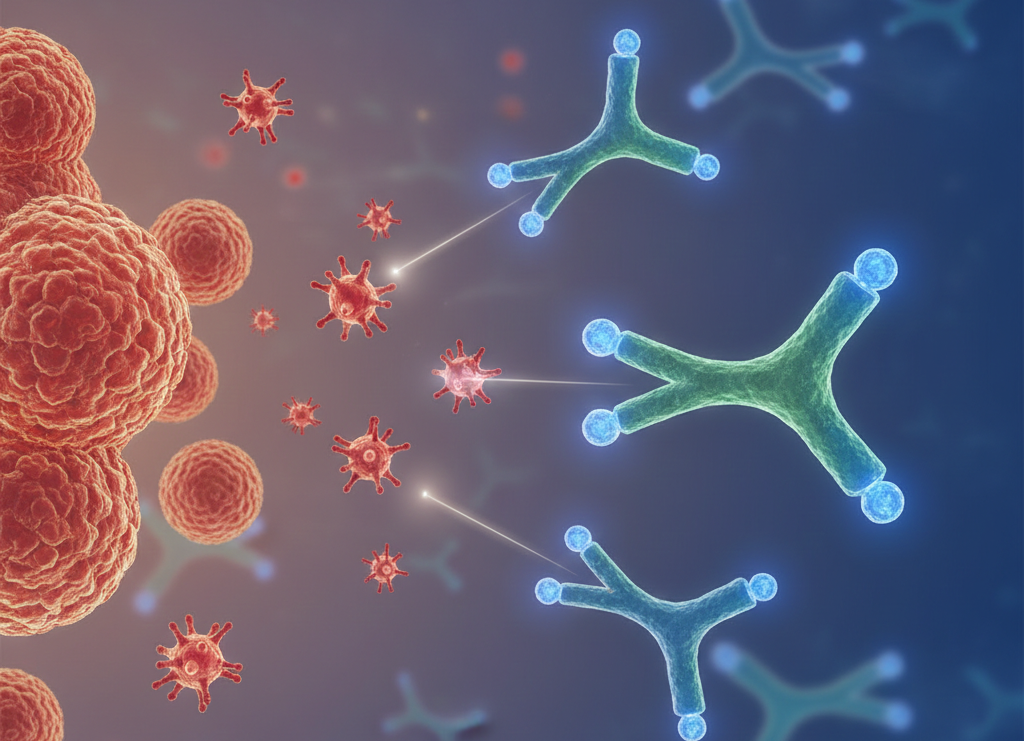
Biologics are targeted therapies that focus on specific parts of the immune system to reduce inflammation in autoimmune diseases. Unlike traditional medications that broadly suppress the immune system, biologics are highly specific, targeting B-cells, T-cells, or pro-inflammatory molecules.
Top Biologic Treatments for 2026
- Ianalumab for Sjögren’s Disease: This monoclonal antibody targets BAFF-R, a receptor on B-cells, to deplete autoreactive cells and reduce inflammation. It’s set for regulatory submission in early 2026 and may become the first targeted biologic for Sjögren’s disease.
- Nipocalimab for SLE: A first-in-class FcRn blocker, Nipocalimab reduces lupus activity by clearing harmful autoantibodies, offering a more effective and less toxic treatment for Systemic Lupus Erythematosus.
- Litifilimab for Cutaneous Lupus: FDA Breakthrough Therapy status was granted in January 2026 to Litifilimab, an antibody that targets BDCA2 on dendritic cells to stop skin-specific inflammation in cutaneous lupus.
What To Expect in 2026:
These biologic treatments, along with next-gen JAK inhibitors, will become standard therapies for autoimmune diseases like lupus, Sjogren’s, and rheumatoid arthritis. Their targeted approach minimizes side effects and offers better outcomes than broad-spectrum immunosuppressants.
4. Natural Remedies for Autoimmune Inflammation
While advanced therapies like CAR T-cell therapy and biologics are revolutionizing autoimmune disease treatment, natural remedies remain an important part of inflammation management. These remedies work alongside conventional treatments to support immune health, reduce flare-ups, and improve overall well-being.
Key Anti-Inflammatory Foods to Include
- Omega-3 rich foods like fatty fish (salmon, mackerel) can reduce inflammation.
- Leafy greens and colorful vegetables like spinach, kale, and tomatoes provide antioxidants.
- Healthy fats from avocados and olive oil.
- Herbs and spices like turmeric (curcumin) and ginger.
Foods to Avoid for Reduced Inflammation
- Processed foods, added sugars, and refined carbohydrates.
- Red and processed meats, which can increase inflammation.
- Gluten and dairy (for some individuals), which may trigger flare-ups.
What To Do Next:
Adopt a whole foods diet rich in anti-inflammatory foods, avoid trigger foods, and consider supplementing with omega-3 or curcumin to support your immune health.
5. Next-Generation Therapies: Nanotechnology and Regenerative Medicine

Nanotechnology in Autoimmune Treatment
In 2026, nanotechnology is being explored to deliver mRNA therapies that “retrain” T-cells to tolerate the body’s own tissues. This cutting-edge approach could lead to long-term remission and potentially reset the immune system without causing the side effects associated with traditional treatments.
Regenerative Medicine: Healing Damaged Tissue
Stem cell therapy and Platelet-Rich Plasma (PRP) treatments are showing promise in repairing joint damage caused by rheumatoid arthritis and psoriatic arthritis. These treatments work by regenerating damaged tissue, offering a solution to patients who have not responded to conventional treatments.
What To Expect in 2026:
Nanotechnology and regenerative medicine are set to revolutionize autoimmune disease treatment by offering long-lasting solutions that go beyond symptom management and focus on healing and immune system reprogramming.
6. The Impact of Emerging Research on Latest Autoimmune Disease Treatments in 2026
As we look toward 2026, emerging research continues to play a significant role in shaping the latest autoimmune disease treatments. From breakthroughs in genetic therapy to advancements in personalized immunotherapies, the medical field is making strides toward developing tailored treatments that can provide more effective and less invasive options for those with autoimmune diseases.
The latest autoimmune disease treatments in 2026 are expected to not only improve the effectiveness of care but also minimize side effects, offering patients better quality of life and long-term relief.
Frequently Asked Questions (FAQs)
1. What are the latest autoimmune disease treatments in 2026?
The latest treatments include immunotherapy, biologics, CAR T-cell therapy, Regulatory T-cell therapy (Tregs), and nanotechnology, offering more targeted, effective care.
2. How does CAR T-cell therapy work for autoimmune diseases?
CAR T-cell therapy involves reprogramming the body’s T-cells to target and eliminate autoreactive B-cells, essentially “resetting” the immune system to prevent it from attacking the body’s own cells.
3. Are there natural remedies for autoimmune inflammation?
Yes, anti-inflammatory foods, stress management, exercise, and supplements like omega-3 and curcumin can help manage inflammation alongside medical treatments.
4. What is the future of autoimmune disease treatments?
The future of autoimmune disease treatment includes personalized therapies like precision immunotherapy, biologics, and nanotechnology, which will help tailor treatments to individual needs and improve patient outcomes.
Conclusion
The future of autoimmune disease treatment in 2026 is incredibly promising, with precision immunotherapies, novel biologics, stem cell therapies, and nanotechnology paving the way for more targeted and effective treatments.
These advancements are shaping a future where managing autoimmune diseases could be more personalized, precise, and efficient, ultimately improving patient outcomes and quality of life.
As always, it’s important to consult with your healthcare provider to determine the best treatment plan for your specific condition. With these exciting developments on the horizon, there’s hope for a better future in autoimmune disease management.