




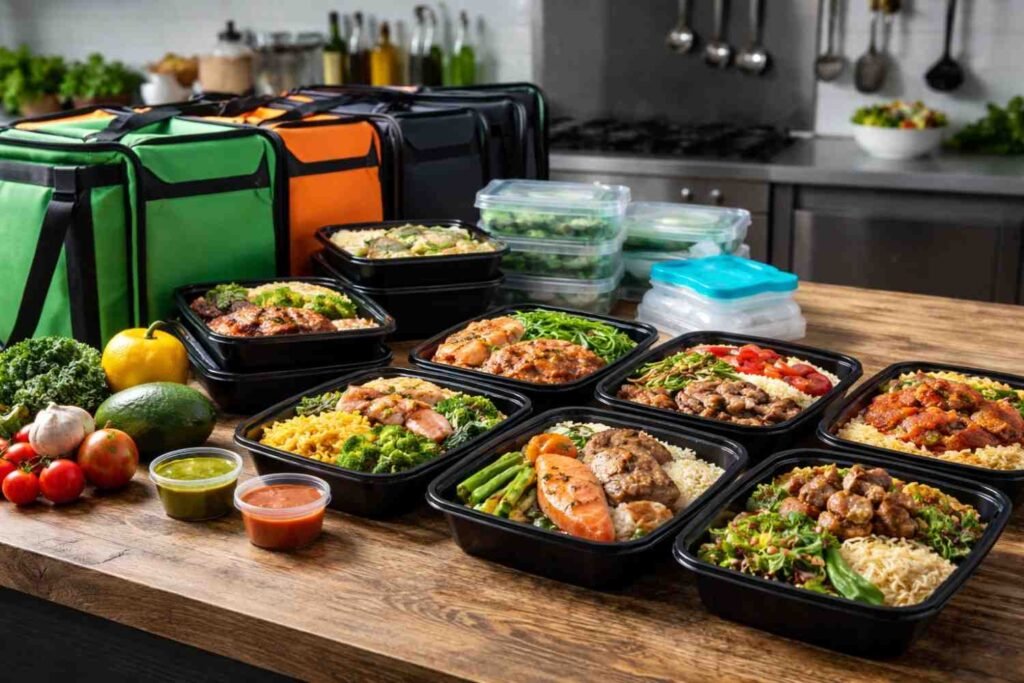
Given the rising desire for fast, healthful meals, launching a food prep business can be a lucrative endeavor. The prospects are endless due to the growing number of busy professionals, health fanatics (such as Keto dieters), and families looking for kid-friendly food options.
I’ll lead you through every step of starting a food prep business in this blog, from identifying your niche to managing marketing, customer service, and logistics.
Why Start a Food Prep Business?
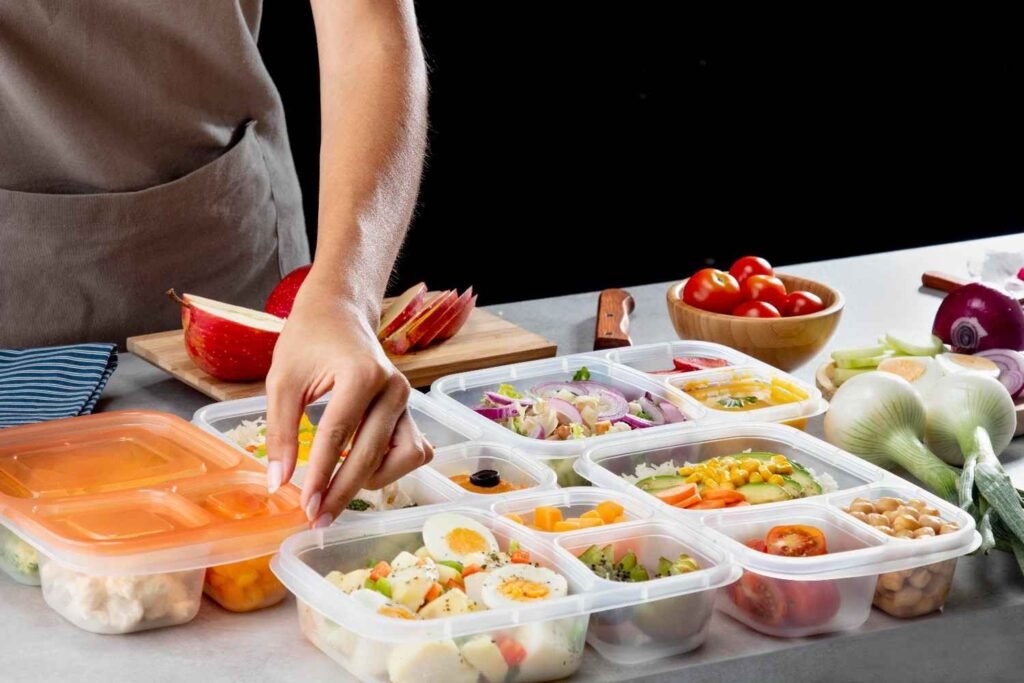
Food prep businesses are booming. People are always looking for ways to save time while maintaining a healthy diet. Whether you’re catering to fitness enthusiasts with high-protein or Keto meals, busy professionals needing quick options, or families who need convenient yet healthy kid-friendly meals, there’s a market for everyone.
A food prep business allows you to meet these needs by offering convenient, healthy meals that can be enjoyed on-the-go. Plus, with a meal prep business focusing on specific niches like fitness meals or family meals, you can build a brand that resonates with your audience.
Step 1: Define Your Niche and Service Model
When you are wondering how to start a food prep business, one of the most crucial first steps is defining your niche. This will help you streamline your menu development and marketing efforts.
Target Audience:
- Busy professionals who need healthy, quick meals for the week.
- Fitness enthusiasts, especially those on specialized diets like Keto or high-protein diets.
- Families looking for affordable, kid-friendly, nutritious meal options.
Service Model:
You must also choose between a subscription model or on-demand ordering:
- Subscription model: Offers more predictable revenue and reduces food waste, as customers commit to regular orders.
- On-demand model: Offers more flexibility for customers who only want to order when they need it but can be less predictable for revenue.
Meal Type:
Decide if your service will offer:
- Pre-cooked meals that are ready to heat and eat.
- Pre-portioned ingredients for customers to cook at home.
By narrowing down these elements, you can ensure your business is positioned to meet specific customer needs.
Step 2: Legal Requirements and Licensing
Operating a food prep business comes with significant legal responsibilities, especially concerning food safety.
Legal Considerations:
- Business Structure: Register your business as an LLC (Limited Liability Company) or similar entity to protect personal assets.
- Licensing: You will need a general business license, a food handler’s permit, and possibly a health department inspection.
- Insurance: Get liability insurance to cover potential claims related to food safety and customer complaints.
Ensure you follow all legal guidelines to avoid fines and penalties down the line.
Step 3: Secure a Commercial Kitchen or Set Up Your Home Kitchen
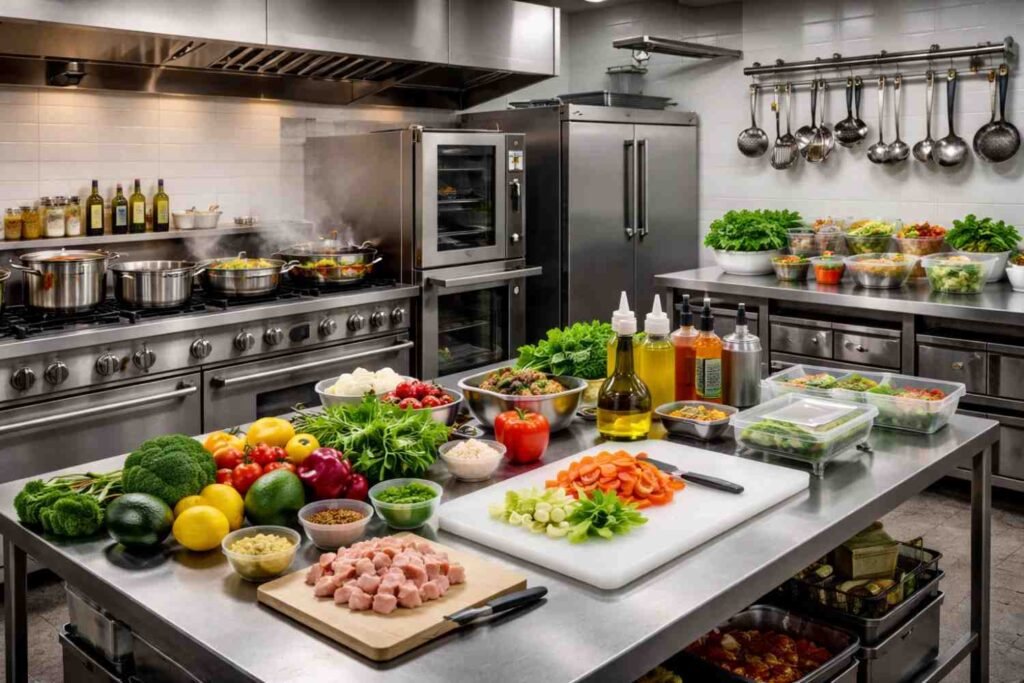
When it comes to food prep, the space where you prepare the meals is critical to ensuring food safety and maintaining high-quality standards.
Options for Kitchen Setup:
- Commercial Kitchen: Renting space in a commissary kitchen is a great option for new businesses. These kitchens already comply with local health regulations and provide professional equipment, making them ideal for food businesses.
- Home Kitchen: Some states allow home-based food businesses through Cottage Food Laws, but these are typically restricted to non-hazardous foods. If you’re preparing meals with meats or other potentially hazardous ingredients, a commercial kitchen is usually required.
Step 4: Logistics and Packaging
Packaging plays a significant role in the success of your food prep business. The right packaging ensures that your meals stay fresh during transport and reach your customers in perfect condition.
Packaging:
- Containers: Choose leak-proof, microwave-safe, and oven-safe containers to make heating and storing meals easier for your customers.
- Temperature Control: Invest in insulated bags and ice packs for deliveries. This ensures your meals stay at the correct temperature.
Delivery Logistics:
- Third-Party Delivery: You can use services like DoorDash, UberEats, or local delivery services to handle logistics and reach a wider audience.
- In-House Delivery: Alternatively, you can hire delivery drivers, but this requires more resources to manage.
Step 5: Build Your Online Presence
Having a professional digital presence is essential for growing your food prep business.
E-Commerce Website:
- Use Shopify or Square to build a simple, user-friendly website that allows customers to order meals online, manage subscriptions, and track deliveries.
- Make sure the website is mobile-optimized, as many customers will order meals on the go.
Social Media Marketing:
- Instagram and TikTok are essential platforms for social media marketing. Share behind-the-scenes videos of meal prep, highlight customer testimonials, and showcase your meals in beautiful food photography.
- Food photography is crucial; invest in a professional photographer to make your meals look as delicious online as they do in person.
By narrowing down these elements, you can ensure your business is positioned to meet specific customer needs, which is essential when thinking about how to start a food prep business.
Step 6: Focus on Customer Service

A key element of any business is ensuring excellent customer service. In the food prep business, this means providing top-quality meals and excellent customer experiences.
Tips for Great Customer Service:
- Engage with customers through follow-up surveys and feedback forms.
- Consider offering loyalty programs or discounts for repeat customers to increase retention rates.
Frequently Asked Questions (FAQs)
1. How much does it cost to start a food prep business?
The initial investment can vary depending on kitchen space, equipment, packaging, and marketing. Expect to spend on kitchen rental, licenses, insurance, and website development.
2. What licenses do I need for a food prep business?
You’ll need a business license, food handler certification, and possibly a health inspection depending on where you are located.
3. Can I start a food prep business from home?
Some states allow home-based food businesses, but you will need to check local laws and ensure your kitchen meets health standards. Most meal prep businesses, however, require a commercial kitchen.
4. How do I price my meals?
Consider factors such as ingredient costs, packaging, delivery fees, and your time. Ensure your prices are competitive but also provide a sustainable profit margin.
Conclusion
One excellent method to address the rising need for quick, healthful meals is to launch a food prep company. You’ll succeed if you concentrate on your specialty, comprehend legal criteria, set up your kitchen, and make use of e-commerce platforms like Shopify or Square.
In order to reach a larger audience, don’t forget to concentrate on packaging and customer service as well as have a strong online presence.