


The Evolution of Modern Dental Practice
The landscape of dental care has undergone a remarkable transformation over the past decade, shifting from traditional treatment-focused approaches to comprehensive patient-centric models.
This evolution represents more than just a change in methodology; it signifies a fundamental reimagining of how dental professionals interact with their patients and deliver care. The modern dental practice now prioritises comfort, communication, and personalised treatment plans that address individual needs and concerns.
Contemporary dental professionals recognise that successful treatment outcomes depend heavily on patient satisfaction and engagement. This understanding has prompted practices across the UK to adopt innovative approaches that place the patient experience at the centre of every interaction.
From the moment patients enter the surgery to their follow-up care, every aspect of the dental journey is being redesigned with their comfort and wellbeing in mind.
Revolutionary Technologies Reshaping Patient Experience
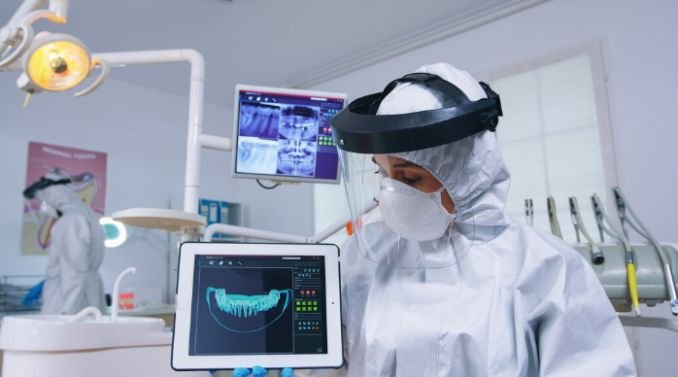
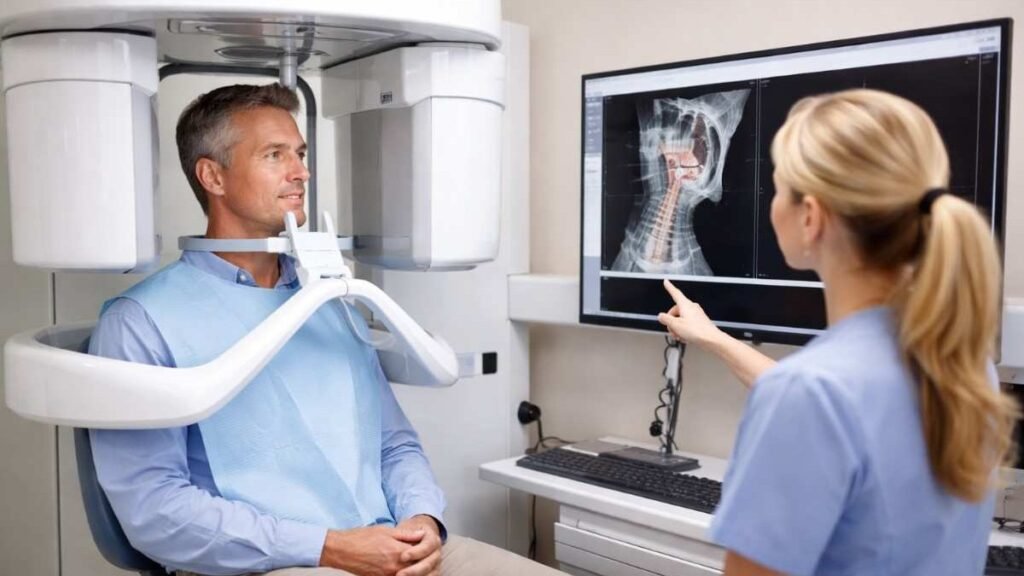
Digital dentistry has emerged as a cornerstone of patient-centric care, offering unprecedented precision and comfort during procedures. Advanced imaging systems now provide detailed three-dimensional views of oral structures, enabling dentists to diagnose conditions more accurately whilst reducing patient discomfort.
These technologies allow for minimally invasive treatments that preserve healthy tooth structure and promote faster healing times.
Intraoral scanners have revolutionised the impression-taking process, eliminating the need for uncomfortable traditional moulds. Patients can now experience a more pleasant procedure whilst receiving more accurate results for crowns, bridges, and orthodontic appliances.
Latest innovations in dental technology continue to enhance patient experiences through improved comfort and efficiency.
Personalised Treatment Planning
Modern dental practices utilise sophisticated software to create customised treatment plans that consider each patient’s unique circumstances, preferences, and budget constraints.
This personalised approach ensures that patients receive the most appropriate care for their specific needs, rather than one-size-fits-all solutions. The integration of artificial intelligence and machine learning algorithms helps dentists predict treatment outcomes more accurately and suggest optimal treatment sequences.
Whether seeking routine care or specialised treatment, patients visiting a dentist Borehamwood can expect to encounter these advanced planning tools that enhance the quality and predictability of their dental care. The emphasis on individualised treatment plans reflects the broader shift towards patient-centred healthcare delivery models.
Communication and Comfort Innovations
The transformation of dental care extends beyond technological advances to encompass fundamental improvements in patient communication and comfort management.
Modern practices have implemented comprehensive consultation processes that ensure patients fully understand their treatment options, associated costs, and expected outcomes. This transparency builds trust and enables patients to make informed decisions about their oral health care.
Sedation dentistry has become increasingly sophisticated, offering various levels of relaxation to accommodate patients with different anxiety levels. From nitrous oxide to conscious sedation techniques, these options allow individuals who previously avoided dental care to receive necessary treatment in a comfortable environment.
Pain management protocols have also evolved significantly, incorporating both pharmaceutical and non-pharmaceutical approaches to minimise discomfort.
Holistic Approach to Oral Health
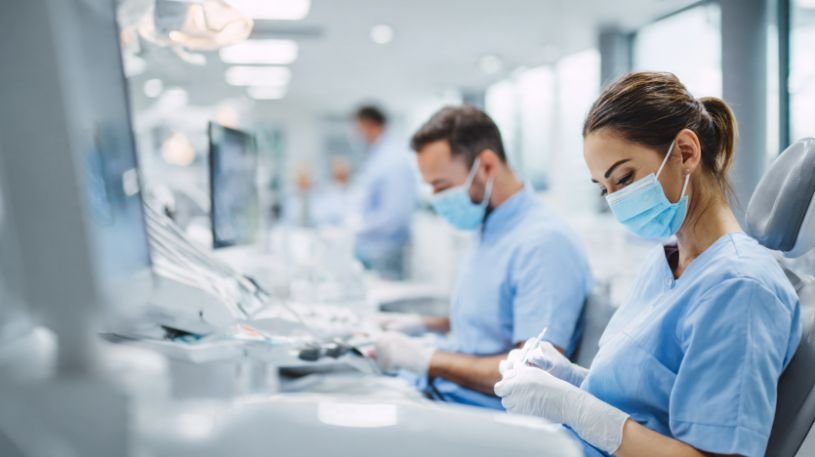
Contemporary dental practices recognise the intricate connections between oral health and overall wellbeing. This holistic perspective has led to collaborative care models where dentists work alongside other healthcare professionals to address systemic health issues that may impact oral health.
Patients benefit from comprehensive care that considers their complete medical history and lifestyle factors.
Preventive care programmes have been redesigned to engage patients actively in maintaining their oral health. Educational initiatives, personalised hygiene recommendations, and regular monitoring help patients understand their role in preventing dental problems. Understanding the patient-centered approach in modern dental practices reveals how these comprehensive strategies improve long-term outcomes.
The Future of Patient-Centred Dental Care
The commitment to patient-centric innovations continues to drive improvements in dental care delivery. Emerging technologies such as teledentistry and remote monitoring systems promise to make dental care more accessible and convenient for patients across diverse geographical locations. These developments particularly benefit individuals in areas where access to specialised dental services may be limited.
The integration of patient-centered care principles into future dentistry practices ensures that technological advancement remains aligned with human-centred values. As the dental profession continues to evolve, the focus remains firmly on creating positive experiences that encourage patients to maintain regular dental care.
This patient-centric approach ultimately leads to better oral health outcomes and improved quality of life for individuals throughout their dental care journey.