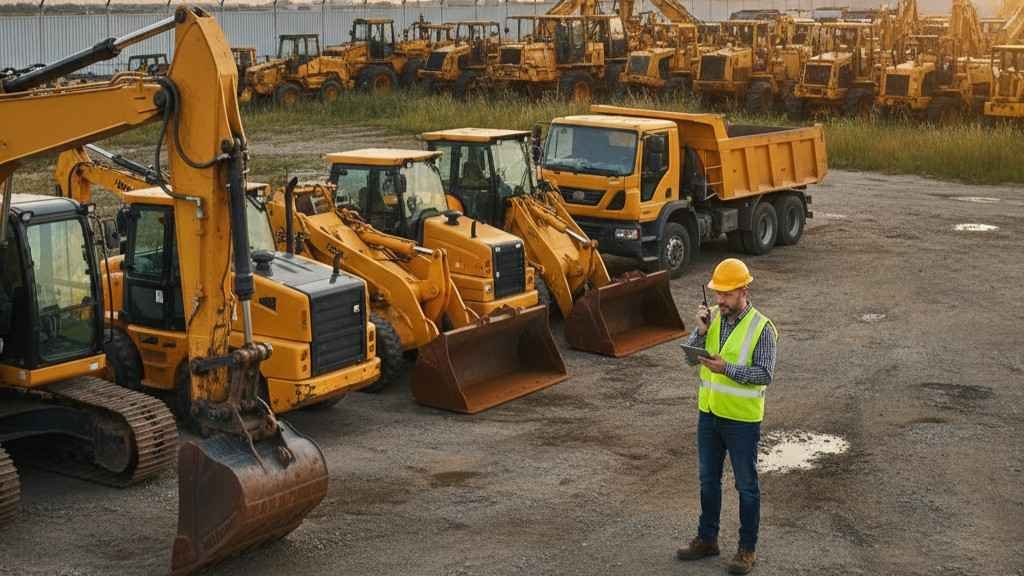




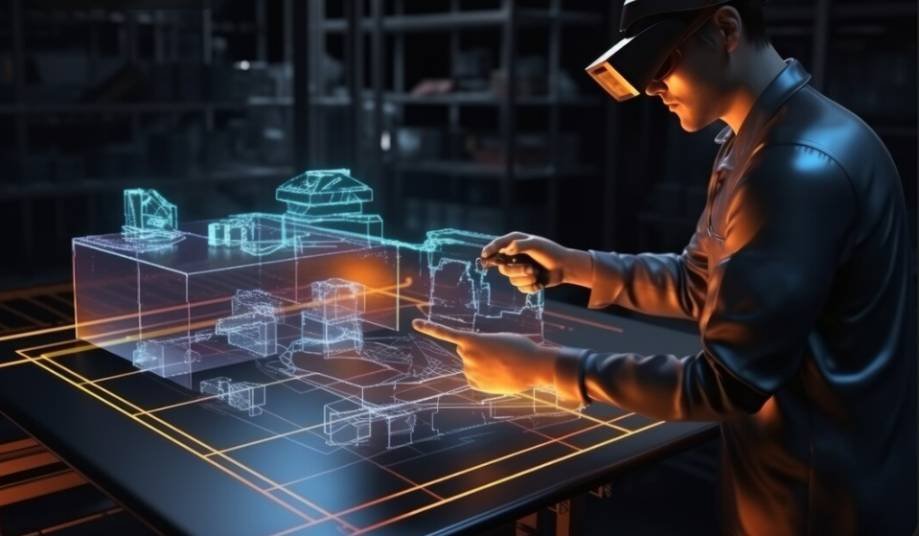
In the world of modern architecture and construction, “large-scale” is no longer just a reference to square footage or height. Today, large-scale developments represent complex ecosystems that must function efficiently, sustain themselves environmentally, and serve the communities they inhabit.
Whether it is a sprawling corporate campus, a mixed-use high-rise, or a new residential district, the success of these massive undertakings hinges on one critical factor: smart design.
Smart design goes beyond aesthetics. It is the strategic application of engineering, technology, and sustainability principles to solve the logistical nightmares often associated with big builds. Without a cohesive design strategy, large projects risk becoming money pits, environmental hazards, or social failures.
By integrating intelligent planning from the foundation up, developers can ensure their projects stand the test of time. Here are the essential ways smart design supports large-scale developments.
1. Prioritizing Structural Integrity and Material Efficiency
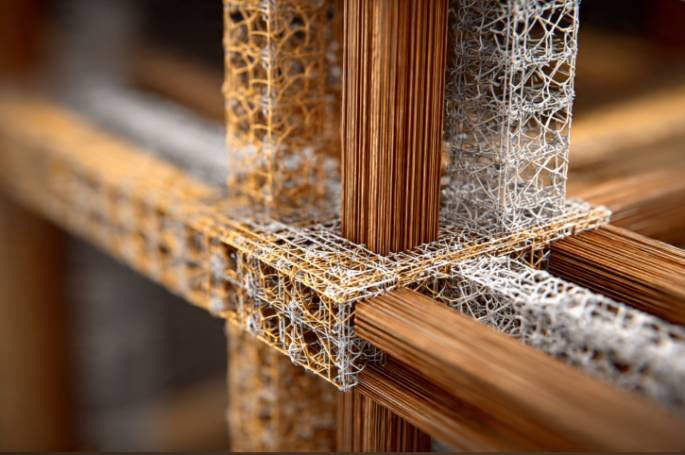
The skeleton of any large-scale development is its most critical component. When designing for mass and height, the choice of materials determines not just safety, but also the speed of construction and long-term durability.
Smart design dictates that engineers and architects select materials that offer the highest strength-to-weight ratios to maximize usable space without compromising stability.
This is where the selection of structural steel becomes paramount. High-quality beams are essential for distributing the massive loads of multi-story structures, allowing for the wide-open floor plans that modern tenants desire.
By optimizing the structural framework early in the design phase, developers can reduce material waste and avoid costly retrofitting down the line. Furthermore, using precision-engineered steel components allows for pre-fabrication, which can significantly accelerate construction timelines—a crucial factor in the profitability of large developments.
2. Integrating Smart Building Management Systems (BMS)
A large-scale development is effectively a living organism that consumes energy, water, and data. To manage these resources effectively, smart design requires the integration of Building Management Systems (BMS) powered by the Internet of Things (IoT).
These systems use thousands of sensors to monitor everything from HVAC performance and lighting usage to elevator maintenance needs.
For instance, smart sensors can detect when a conference room is empty and automatically lower the heating or cooling, or adjust lighting based on the amount of natural daylight available. According to recent industry reports, smart building technologies can reduce energy costs by up to 30% in large commercial properties.
By baking this technology into the design rather than treating it as an afterthought, developers ensure the building operates at peak efficiency from day one, providing significant ROI through operational savings.
3. Designing for Adaptive Reuse and Flexibility
One of the biggest risks in large-scale development is obsolescence. The needs of society change rapidly; a space designed exclusively for retail today might need to function as a co-working space or logistics hub tomorrow. Smart design mitigates this risk through the principle of flexibility and adaptive reuse.
This involves creating “long-life, loose-fit” structures. Architects are increasingly designing buildings with modular interiors, movable partitions, and higher ceiling clearances that allow for various mechanical systems. Instead of burying essential infrastructure in concrete, smart design keeps it accessible, allowing for easy upgrades.
This foresight ensures that the building can evolve alongside market trends without requiring demolition, effectively extending the lifespan of the development and reducing the carbon impact associated with new construction.
4. Focusing on Human-Centric Urban Planning
Large developments do not exist in a vacuum; they impact the flow and feel of the surrounding city. Smart design acknowledges the human element, focusing on how people interact with the space.
This is often referred to as “placemaking.” It involves more than just erecting walls; it requires planning for walkability, green spaces, innovating city and community interaction.
Developments that prioritize human-centric design often feature mixed-use zoning, where residential, commercial, and recreational spaces coexist.
This reduces the need for vehicular travel and fosters a vibrant, 24-hour community. Incorporating biophilic design elements—such as rooftop gardens, indoor vertical forests, and ample natural light—has been proven to improve the mental well-being of occupants and increase productivity in office settings.
By designing for the human experience, developers create destinations that people want to inhabit, ensuring low vacancy rates and high property value.
5. Implementing Sustainable Water and Waste Management

Sustainability is no longer a buzzword; it is a requirement for regulatory compliance and market viability. Large-scale developments put a tremendous strain on municipal water and waste infrastructure. Smart design alleviates this by treating the development as a self-sufficient loop where possible.
This includes designing systems for rainwater harvesting to irrigate landscaping and flush toilets, as well as greywater recycling systems. On the waste side, smart design incorporates dedicated spaces for on-site composting and sophisticated recycling sorting facilities.
Some cutting-edge developments even utilize waste-to-energy systems to supplement their power needs. By managing their environmental footprint internally, these developments become more resilient against utility price fluctuations and water scarcity issues.
Conclusion
The era of building big for the sake of size is over. The future belongs to developments that are built smart. By prioritizing structural efficiency, integrating intelligent technology, ensuring flexibility, focusing on the human experience, and committing to sustainability, developers can create projects that are not only profitable but also beneficial to the built environment.
As you plan your next major project, consider how these smart design principles can be integrated into your blueprint to ensure a legacy of durability and innovation.