



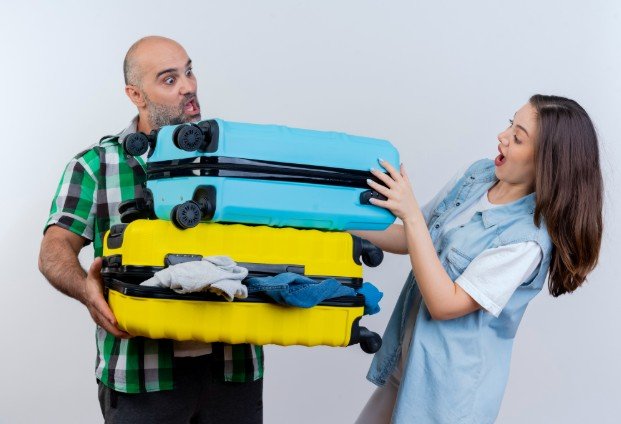
Packing used to feel like a last-minute rush where I would throw in extra outfits, unnecessary gadgets, and “just in case” items I never used. I ended up carrying heavy bags, feeling disorganized, and still worrying I forgot something important.
Everything changed once I built a simple system I could repeat for every trip. Now, instead of overpacking, I pack with purpose. Whether it is a quick city break, a beach vacation, or a colder destination, I follow the same structure and adjust based on the trip. That one shift has made traveling smoother, lighter, and far less stressful.
Why packing smart matters more than packing more
Packing smart is not about squeezing more into your suitcase. It is about making better choices before you even start. The most effective packing strategies focus on versatility, organization, and eliminating items that do not serve a clear purpose.
Overpacking creates unnecessary stress. It slows you down at airports, makes unpacking harder, and increases the chances of damaged baggage. Packing smart helps you move faster, stay organized, and feel more in control of your trip from start to finish.
Start with the trip before you start with the suitcase
The way I approach packing now always starts with clarity. I think about what I will actually be doing, what the weather will feel like, and how often I can reuse certain items.
This step alone removes a lot of unnecessary packing. If the trip involves walking, dining out, and a couple of planned activities, I pack specifically for those situations. I stop planning for unlikely scenarios and focus only on what is realistic.
Each type of trip has different needs. A beach destination calls for lightweight clothing and minimal layers. A city trip requires comfortable walking shoes and outfits that can transition from day to evening. A colder destination needs warmth, but still within a controlled system.
Build a clothing system that mixes and matches
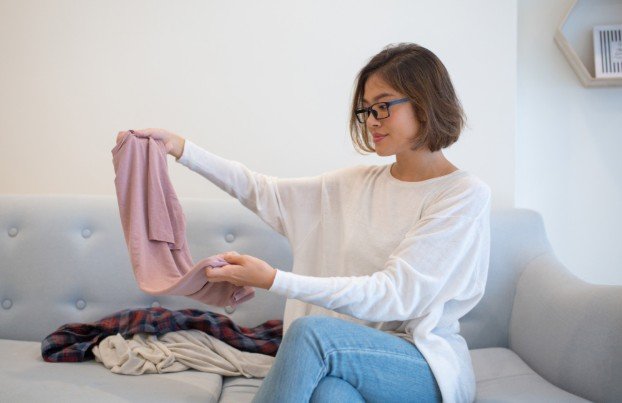
One of the biggest mistakes I used to make was packing complete outfits instead of flexible pieces. Now I focus on items that work together in multiple combinations.
This approach is at the core of How to Pack Smart for Any Destination. I usually pack a small set of tops, bottoms, and layers that can be mixed and matched easily. This gives me more outfit options without adding extra weight.
I also limit shoes because they take up space quickly. Each pair must serve a purpose and work with multiple outfits. If it does not, it stays home.
Keeping clothes organized also matters. Using simple packing methods like grouping items by type or using packing cubes helps maintain order throughout the trip.
Choose carry-on or checked bag with intention
Instead of deciding randomly, I now base this choice on trip length, what I truly need, and travel conditions.
A shorter trip often works well with a smaller bag if I stay disciplined with my packing system. Longer trips or situations that require bulkier items may justify a larger bag. The key is making that decision before packing begins, especially when exploring new destinations.
Regardless of the bag type, I always keep essentials within reach. Important items like identification, chargers, and a fresh set of clothes stay with me. This adds a layer of security and convenience during travel.
Pack toiletries and tech with purpose
Toiletries and electronics can quickly take over your bag if you are not careful. I keep both categories minimal and intentional.
For toiletries, I stick to smaller quantities and only bring what I know I will use. I avoid packing full-size products unless absolutely necessary. Having a ready to go travel kit also saves time and keeps things consistent.
With tech, I limit myself to essentials. A phone, charger, and a few necessary accessories are usually enough. Bringing extra devices often adds weight without adding real value to the trip.
Adjust your packing for different destinations
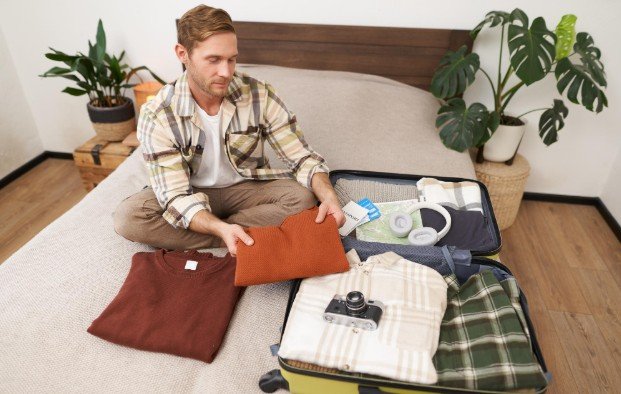
One of the biggest improvements I made was keeping a smart packing system and adjusting it instead of starting from scratch every time. That is what makes How to Pack Smart for Any Destination effective. I do not rebuild my packing list for every trip. I simply modify it based on climate, activities, and duration.
For warmer destinations, I swap in lighter fabrics and fewer layers. For colder trips, I add compact warm pieces that do not take up too much space. For active trips, I include functional clothing that supports movement and comfort. This approach keeps packing efficient while still making sure I am prepared.
How to pack smart step by step
First, I review the trip details. I check the weather, outline my activities, and decide what kind of bag makes sense. This gives me a clear direction before I start packing. Next, I lay everything out in one place. Seeing all items at once helps me remove duplicates and unnecessary pieces. I usually end up reducing what I initially planned to bring.
Then, I organize items into categories. Clothes go together, toiletries stay in one place, and tech items are grouped separately. This keeps everything easy to find during the trip. Finally, I pack with a bit of extra space. Leaving room makes it easier to repack and gives flexibility for anything I might bring back.
Frequently Asked Questions
1. What should always be in my carry-on?
I always keep essentials like identification, important documents, medication, chargers, and one extra outfit with me. These are the items I cannot afford to lose or delay.
2. How many outfits should I pack for a trip?
I focus on a few versatile pieces rather than many full outfits. Mixing and matching allows me to create multiple looks without overpacking.
3. Is it better to pack light or pack extra just in case?
Packing light with a clear plan works better. Extra items often go unused and only add weight and stress.
4. How do I stay organized while traveling?
Keeping items grouped and maintaining a simple structure in your bag makes a big difference. Repacking slightly during the trip also helps maintain order.
Final Thoughts
Packing feels completely different now compared to how I used to approach it. I no longer rely on guesswork or overprepare for unlikely situations. Instead, I follow a simple system that adapts to each trip.
That consistency has made traveling easier, more efficient, and far less stressful. Once I focused on what truly matters and removed everything else, packing stopped being a chore and became part of the travel experience itself.
Learning How to Pack Smart for Any Destination is less about rules and more about building habits that work for you. Once those habits are in place, every trip starts to feel lighter before you even leave home.