
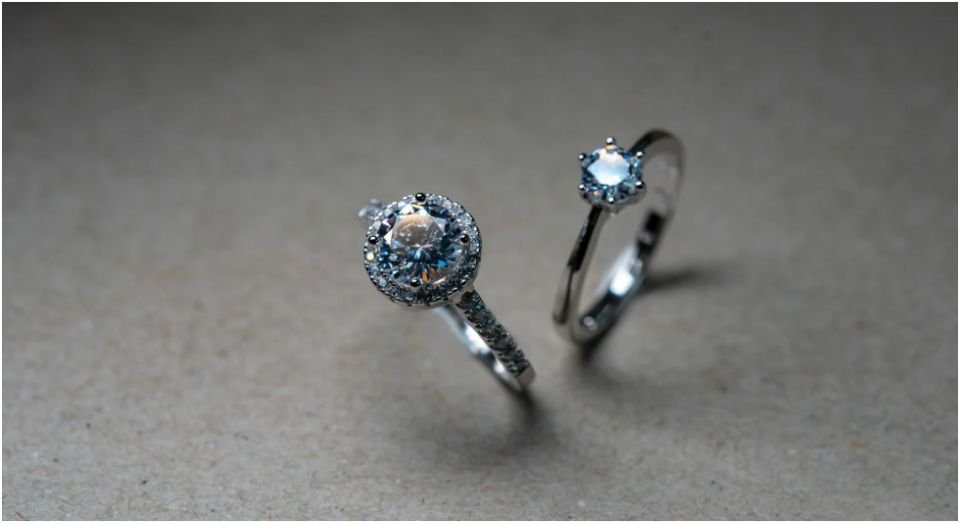


When selecting a piece of fine jewelry, the metal band is just as important as the gemstone. The material you choose affects the ring’s appearance, durability, and cost. Different metals react differently to daily wear, with some requiring more maintenance than others.
The Timeless Appeal of Gold
Gold has been the standard for fine jewelry for centuries. It offers exceptional versatility and a timeless look that suits almost any skin tone. Because pure gold is incredibly soft, jewelers mix it with other alloy metals like copper, silver, nickel, or zinc to give it the strength required for daily wear.
Understanding Carats
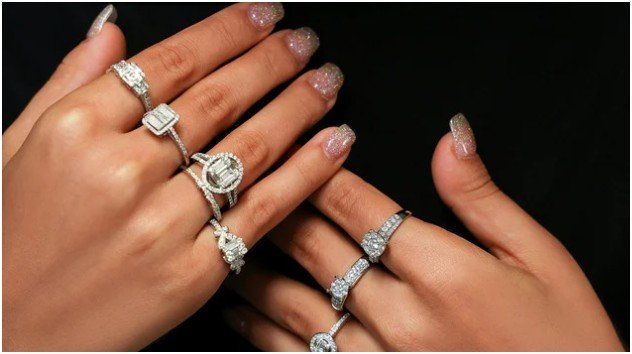
The purity of gold is measured in carats (k). Pure gold is 24k, but it is generally too soft for rings. The most common options for jewelry are 18k and 14k gold. An 18k gold ring contains 75% pure gold, offering a rich color and good durability. A 14k gold ring contains 58.3% pure gold, making it highly durable and more affordable. Choosing the right carat depends on how often you plan to wear the ring and how active you are with your hands.
Yellow Gold
Yellow gold provides a classic, warm appearance. It requires the least amount of maintenance among the gold colors and is very easy for jewelers to resize or repair. The rich hue of yellow gold pairs beautifully with diamonds and colored gemstones, making it a traditional favorite for wedding bands and statement pieces.
White Gold
White gold offers a sleek, modern look similar to platinum but at a lower price point. Jewelers create white gold by mixing pure gold with white metals like palladium or nickel. To achieve a brilliant white shine, the ring is coated with rhodium. This rhodium plating wears off over time, revealing a subtle yellowish tint underneath. You will need to have a white gold ring replated every year or two to maintain its bright appearance.
Rose Gold
Rose gold has seen a massive surge in popularity due to its romantic, vintage-inspired hue. This color is achieved by alloying pure gold with copper. The more copper used, the redder the metal appears. Rose gold is incredibly durable because copper is a very strong metal. It also flatters a wide variety of skin tones and does not require rhodium plating.
The Accessibility of Sterling Silver
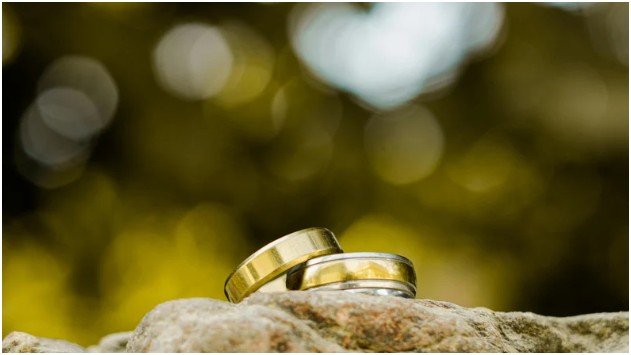
Sterling silver is a beautiful, highly affordable option for ring making. Pure silver is too soft for jewelry, so it is typically alloyed with copper to create sterling silver, which is 92.5% pure.
The primary advantage of sterling silver is its price. It allows buyers to purchase large, intricate designs without the premium cost associated with gold or platinum. Visually, silver boasts a brilliant, cool-toned white luster that rivals more expensive metals.
However, sterling silver requires a specific maintenance routine. It is prone to tarnishing when exposed to oxygen, moisture, and everyday chemicals like lotions or perfumes. Regular cleaning with a specialized polishing cloth is necessary to keep the metal looking its best.
Additionally, silver is softer than gold and platinum. It can scratch or bend more easily, making it better suited for fashion rings worn occasionally rather than heavy-duty, everyday wear, or planning a celebration of life.
The Ultimate Luxury of Platinum
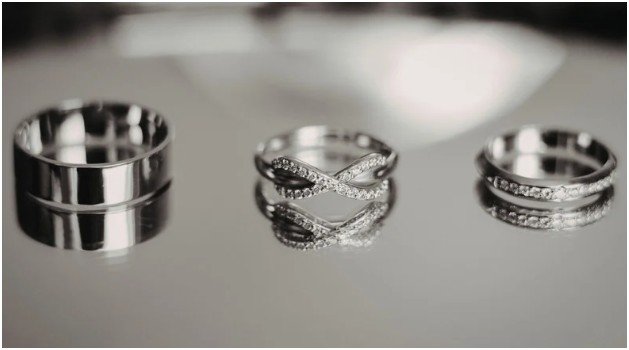
Platinum represents the pinnacle of luxury in jewelry making. It is a dense, exceptionally durable metal that naturally possesses a brilliant white finish. Unlike white gold, platinum will never fade to yellow, completely eliminating the need for rhodium replating.
One of the most significant benefits of platinum is its strength. When platinum is scratched, the metal is merely displaced on the surface rather than lost entirely. Over time, this creates a frosted appearance known as a patina, which many people find highly desirable. If you prefer a polished look, a jeweler can easily buff the ring back to its original shine.
Platinum is also naturally hypoallergenic. This makes it the perfect choice for individuals with sensitive skin or metal allergies. Because of its incredible strength, jewelers frequently use platinum to craft unique engagement rings for women, ensuring that expensive center stones remain securely in place for a lifetime.
Comparing the Options
When choosing between gold, silver, and platinum, reviewing how they stack up against each other can clarify your decision.
Weight: Platinum is significantly denser than gold. A platinum ring will feel substantially heavier on the finger than a 14k gold ring of the exact same size. Silver is the lightest of the three, which can make large, chunky rings more comfortable to wear.
Scratch Resistance: No metal is completely scratch-proof. Sterling silver scratches and dents the most easily. Gold is highly resilient but will slowly lose microscopic amounts of metal when scratched over decades of wear. Platinum is the most durable, displacing metal rather than losing it, which preserves the overall mass of the ring.
Price Points: Sterling silver is the most budget-friendly option by a wide margin. Gold occupies the middle tier, with prices fluctuating based on the carat weight and current market values. Platinum is the most expensive material. It requires more skill and higher temperatures to craft, and platinum rings are generally made with 90% to 95% pure metal.
Conclusion
Choosing the right metal for your ring involves balancing lifestyle, budget, and personal taste. Platinum is the most durable choice, making it ideal for those who work with their hands, though it is also the most expensive.