

subjects = acemoma, acgnp, acells, acema, acelluys, acemoglu, acetoxy, acetyls, acha, acesble, aceshoe.ru, acgh, acerbi, achaar, acgua, acetylcysteinum, achari, acharuli, achaia, aceopolis, acetylmorphine, aceland, acfp.com, aceyourretirement.org, acentech, acetylcholin, acerack, acegikmoqsuwy, acelgas, acetomenaphthone, acelesson, acetalyn, acelluis, achaba, aceituno, aceyalone, acek9, acetylpsilocin, acellu, acelora, acelerate, acetafen, acetaminofen, aceticket, acens, acerena, acetylcholinesterase, acetilcisteã­na, acelleron, acetic, acellerate, aceyus, acezone, ach?????, achacha, aceleration, acetonitrilo, acetylacetonate, acetabuloplasty, acekard, acfan, achashverosh, acemark, acen, acero, acgle, acetamin, ach???, acefone, acetylnitrile, aceras, aceitunas

Recent News

Copyright © 2024 Blaze themes. All Right Reserved.

9 Drills That Build Fast Hands And Reflexes

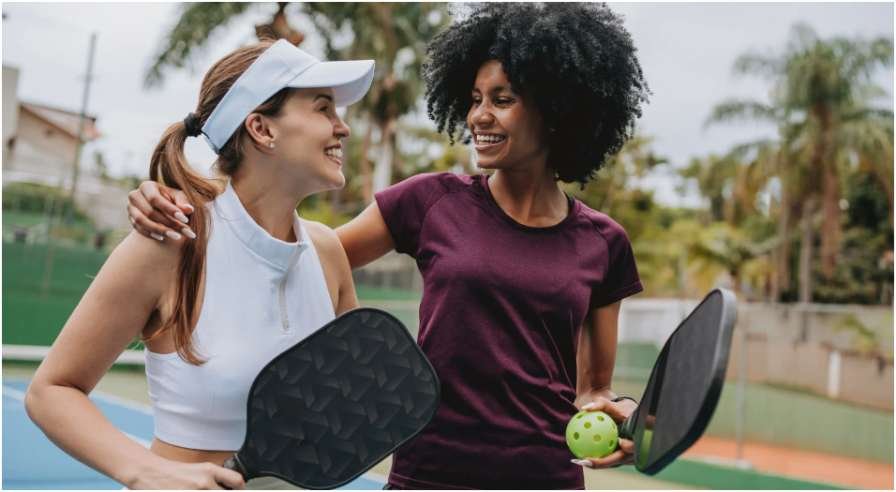
In the high-speed world of racket sports like pickleball, the margin between winning a point and losing it often comes down to milliseconds. While strategy and power are essential, the ability to react instantaneously to a speeding ball is what separates good players from great ones.

Developing lightning-fast hands and sharp reflexes isn’t just about natural talent; it’s a skill that can be honed through consistent, targeted practice. By incorporating specific drills into your training routine, you can significantly improve your reaction time, hand-eye coordination, and overall court defense.

This guide outlines nine effective drills designed to accelerate your hand speed and sharpen your reflexes. Whether you are a beginner looking to keep up with faster play or an advanced competitor aiming to dominate the net, these exercises will help you build the fast-twitch muscle memory required to handle even the most aggressive volleys.

1. The Wall Volley Drill
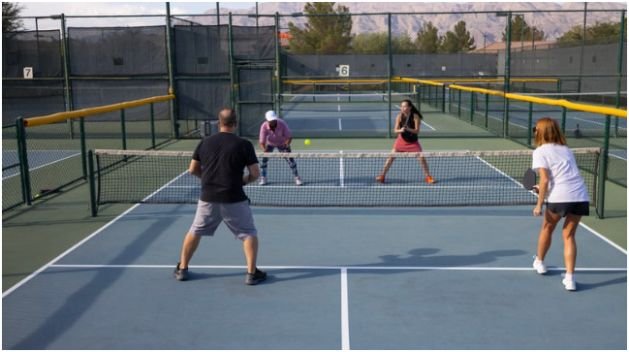
The Wall Volley Drill

One of the most accessible and effective ways to build hand speed is the classic wall volley. Stand about three to four feet away from a wall with your paddle and a ball. Volley the ball against the wall continuously without letting it bounce on the ground.

The key here is to maintain a rapid pace; the closer you stand to the wall, the faster the ball returns, forcing your hands to react quicker. Aim for 50 consecutive hits without a mistake. As you improve, move closer to the wall to increase the difficulty. This drill isolates your wrist action and forces you to reset your paddle position immediately after every shot.

2. Two-Touch Volleys

This drill focuses on control and paddle awareness. Instead of hitting the ball back over the net immediately, you must tap the ball up to yourself first, and then hit it over on the second touch. This requires you to soften your hands to absorb the incoming pace and then quickly re-engage to direct the ball.

It builds the fine motor skills necessary for resetting fast hands battles. Practicing this helps you learn to manipulate the ball’s speed, a trait often seen in top-tier players like Anna Leigh Waters, who excels at transitioning from defense to offense seamlessly.

3. The windshield Wiper Drill

Stand at the kitchen line (non-volley zone line) while a partner feeds balls to you from the opposite side. Your partner should aim specifically for your paddle, moving their feeds from your forehand to your backhand side in a sweeping motion, similar to a windshield wiper.

Your goal is to block these shots back without swinging. This drill is excellent for developing the ability to rapidly switch grip or paddle face orientation. It trains your brain to recognize the ball’s trajectory early and minimizes excessive backswing, which is crucial for surviving fast exchanges at the net.

4. Rapid Fire Volleys

This is a high-intensity drill performed with a partner. Both players stand at the kitchen line and volley the ball back and forth at a high tempo. The objective is not to win the point but to keep the ball in the air as long as possible while gradually increasing the speed.

Start at 50% power to establish a rhythm, then ramp up to 70% and finally full speed. This drill simulates the chaotic “hands battles” that occur in matches, conditioning your reflexes to react instinctively rather than thoughtfully.

5. The Odd-Ball Drill

Reaction time isn’t just about speed; it’s about unpredictability. For this drill, use a reaction ball (a ball with uneven knobs) or have a partner feed pickleballs with unpredictable spins. Alternatively, your partner can hit the ball off the net tape intentionally to change the trajectory.

Your goal is to make contact and return the ball regardless of the weird bounce or flight path. This trains your eyes to track the ball all the way to the paddle, improving your ability to adjust your hands at the very last second.

6. Figure Eight Volleys
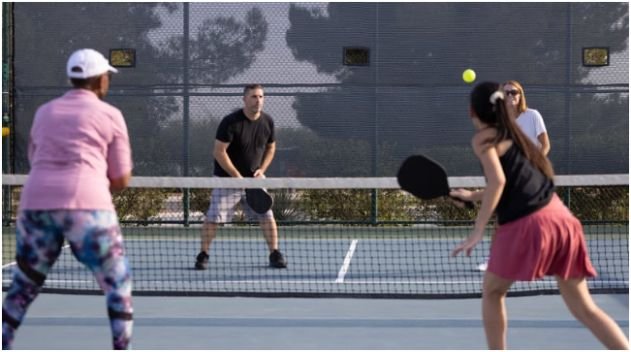
Figure Eight Volleys

In this cooperative drill, you and your partner stand at the non-volley zone line. One person hits exclusively down the line, while the other hits exclusively cross-court. This creates a figure-eight pattern with the ball. After a set number of shots or a specific time, switch roles.

This drill forces you to change the direction of the ball constantly, requiring quick adjustments in your wrist angle and body positioning. It prevents you from getting “locked in” to hitting the same shot repeatedly and keeps your reflexes sharp for directional changes.

7. Shadow Swinging with Resistance

To build the fast-twitch muscle fibers in your forearm and wrist, try shadow swinging with a weighted paddle or a paddle cover that adds air resistance. Perform rapid volley motions for 30 seconds, focusing on proper form and quick recovery to the ready position.

After the resistance set, immediately switch to your normal paddle and perform the same motions. Your paddle will feel incredibly light, and your hand speed will feel supercharged. This contrast training is widely used in various sports to increase limb speed.

8. The “Hot Hands” Deflection Drill

Have a partner stand at the kitchen line while you stand in “no man’s land” (the transition zone). Your partner smashes balls at your feet or body, and your job is to defend and reset the ball into their kitchen. This drill mimics the pressure of defending against a banger or an overhead smash.

It forces your hands to react defensively to protect your body and reset the point. Success in this drill relies on keeping your paddle out in front and maintaining a loose grip to absorb the power.

9. Visual Reaction Training

Sometimes, the best way to train your hands is to train your eyes. Use a partner who holds a different colored ball in each hand. They will toss a ball toward you, and you must call out the color before you hit it.

This forces you to hyper-focus on the object coming toward you, reducing the cognitive delay between seeing the ball and moving your hand. Improved visual processing speed directly translates to faster physical reaction times on the court.

Conclusion

Improving your hand speed and reflexes is a journey of consistency and targeted effort. By integrating these nine drills into your regular practice sessions, you will notice a distinct improvement in your ability to handle pace, reset points, and win those frantic exchanges at the net.

Remember, fast hands are built through repetition and challenging your limits. So, grab a partner, hit the modernize sports area like court, and start training your reflexes today to elevate your game to the next level.


Tags :

Laura Mitchell

Laura Mitchell writes on agriculture, sustainability, and environmental issues. Her work explores food systems, rural development, and ecological responsibility, helping readers understand how environmental and agricultural choices impact communities and long-term sustainability

https://gesiinitiative.com/

Leave a Reply

Your email address will not be published. Required fields are marked *

Featured Posts

Latest Post

In the high-speed world of racket sports like pickleball, the margin between winning a point and losing it often comes down to milliseconds. While strategy and power are essential, the ability to react instantaneously to a speeding ball is what separates good players from great ones.

Developing lightning-fast hands and sharp reflexes isn’t just about natural talent; it’s a skill that can be honed through consistent, targeted practice. By incorporating specific drills into your training routine, you can significantly improve your reaction time, hand-eye coordination, and overall court defense.

This guide outlines nine effective drills designed to accelerate your hand speed and sharpen your reflexes. Whether you are a beginner looking to keep up with faster play or an advanced competitor aiming to dominate the net, these exercises will help you build the fast-twitch muscle memory required to handle even the most aggressive volleys.

1. The Wall Volley Drill

The Wall Volley Drill

One of the most accessible and effective ways to build hand speed is the classic wall volley. Stand about three to four feet away from a wall with your paddle and a ball. Volley the ball against the wall continuously without letting it bounce on the ground.

The key here is to maintain a rapid pace; the closer you stand to the wall, the faster the ball returns, forcing your hands to react quicker. Aim for 50 consecutive hits without a mistake. As you improve, move closer to the wall to increase the difficulty. This drill isolates your wrist action and forces you to reset your paddle position immediately after every shot.

2. Two-Touch Volleys

This drill focuses on control and paddle awareness. Instead of hitting the ball back over the net immediately, you must tap the ball up to yourself first, and then hit it over on the second touch. This requires you to soften your hands to absorb the incoming pace and then quickly re-engage to direct the ball.

It builds the fine motor skills necessary for resetting fast hands battles. Practicing this helps you learn to manipulate the ball’s speed, a trait often seen in top-tier players like Anna Leigh Waters, who excels at transitioning from defense to offense seamlessly.

3. The windshield Wiper Drill

Stand at the kitchen line (non-volley zone line) while a partner feeds balls to you from the opposite side. Your partner should aim specifically for your paddle, moving their feeds from your forehand to your backhand side in a sweeping motion, similar to a windshield wiper.

Your goal is to block these shots back without swinging. This drill is excellent for developing the ability to rapidly switch grip or paddle face orientation. It trains your brain to recognize the ball’s trajectory early and minimizes excessive backswing, which is crucial for surviving fast exchanges at the net.

4. Rapid Fire Volleys

This is a high-intensity drill performed with a partner. Both players stand at the kitchen line and volley the ball back and forth at a high tempo. The objective is not to win the point but to keep the ball in the air as long as possible while gradually increasing the speed.

Start at 50% power to establish a rhythm, then ramp up to 70% and finally full speed. This drill simulates the chaotic “hands battles” that occur in matches, conditioning your reflexes to react instinctively rather than thoughtfully.

5. The Odd-Ball Drill

Reaction time isn’t just about speed; it’s about unpredictability. For this drill, use a reaction ball (a ball with uneven knobs) or have a partner feed pickleballs with unpredictable spins. Alternatively, your partner can hit the ball off the net tape intentionally to change the trajectory.

Your goal is to make contact and return the ball regardless of the weird bounce or flight path. This trains your eyes to track the ball all the way to the paddle, improving your ability to adjust your hands at the very last second.

6. Figure Eight Volleys

Figure Eight Volleys

In this cooperative drill, you and your partner stand at the non-volley zone line. One person hits exclusively down the line, while the other hits exclusively cross-court. This creates a figure-eight pattern with the ball. After a set number of shots or a specific time, switch roles.

This drill forces you to change the direction of the ball constantly, requiring quick adjustments in your wrist angle and body positioning. It prevents you from getting “locked in” to hitting the same shot repeatedly and keeps your reflexes sharp for directional changes.

7. Shadow Swinging with Resistance

To build the fast-twitch muscle fibers in your forearm and wrist, try shadow swinging with a weighted paddle or a paddle cover that adds air resistance. Perform rapid volley motions for 30 seconds, focusing on proper form and quick recovery to the ready position.

After the resistance set, immediately switch to your normal paddle and perform the same motions. Your paddle will feel incredibly light, and your hand speed will feel supercharged. This contrast training is widely used in various sports to increase limb speed.

8. The “Hot Hands” Deflection Drill

Have a partner stand at the kitchen line while you stand in “no man’s land” (the transition zone). Your partner smashes balls at your feet or body, and your job is to defend and reset the ball into their kitchen. This drill mimics the pressure of defending against a banger or an overhead smash.

It forces your hands to react defensively to protect your body and reset the point. Success in this drill relies on keeping your paddle out in front and maintaining a loose grip to absorb the power.

9. Visual Reaction Training

Sometimes, the best way to train your hands is to train your eyes. Use a partner who holds a different colored ball in each hand. They will toss a ball toward you, and you must call out the color before you hit it.

This forces you to hyper-focus on the object coming toward you, reducing the cognitive delay between seeing the ball and moving your hand. Improved visual processing speed directly translates to faster physical reaction times on the court.

Conclusion

Improving your hand speed and reflexes is a journey of consistency and targeted effort. By integrating these nine drills into your regular practice sessions, you will notice a distinct improvement in your ability to handle pace, reset points, and win those frantic exchanges at the net.

Remember, fast hands are built through repetition and challenging your limits. So, grab a partner, hit the modernize sports area like court, and start training your reflexes today to elevate your game to the next level.

GESI Initiative: A digital platform offering clear insights and thoughtful analysis on agriculture, economics, education, environment, and health to inspire informed action.

Latest News

Most Popular

Copyright © 2026 GESI Initiative | All Rights Reserved.