





subjects = acemoma, acgnp, acells, acema, acelluys, acemoglu, acetoxy, acetyls, acha, acesble, aceshoe.ru, acgh, acerbi, achaar, acgua, acetylcysteinum, achari, acharuli, achaia, aceopolis, acetylmorphine, aceland, acfp.com, aceyourretirement.org, acentech, acetylcholin, acerack, acegikmoqsuwy, acelgas, acetomenaphthone, acelesson, acetalyn, acelluis, achaba, aceituno, aceyalone, acek9, acetylpsilocin, acellu, acelora, acelerate, acetafen, acetaminofen, aceticket, acens, acerena, acetylcholinesterase, acetilcisteã­na, acelleron, acetic, acellerate, aceyus, acezone, ach?????, achacha, aceleration, acetonitrilo, acetylacetonate, acetabuloplasty, acekard, acfan, achashverosh, acemark, acen, acero, acgle, acetamin, ach???, acefone, acetylnitrile, aceras, aceitunas

Recent News

Copyright © 2024 Blaze themes. All Right Reserved.

Create Your Dream Garden: A Simple Planning Guide

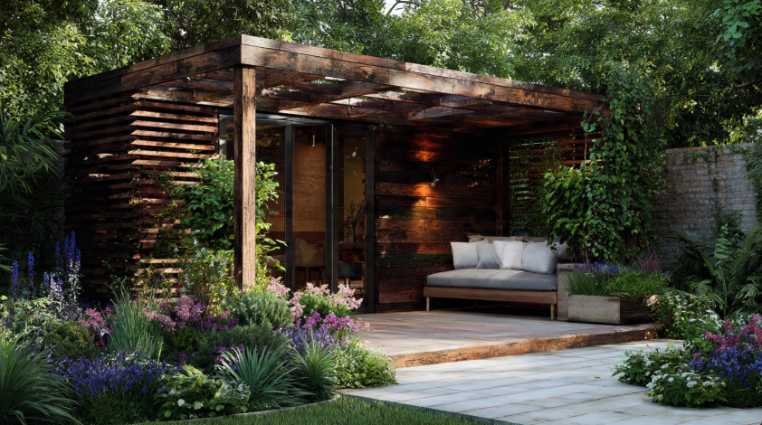
A home garden can be a relaxing sanctuary and a source of fresh produce. Regardless of the size of your space, from a large backyard to a small balcony, the benefits of growing your own plants are significant.

Know Your Ground Rules

Before you buy a single packet of seeds, you must understand the environment you are working with. A successful garden design starts with observation.

Assess Your Space: Walk your property and map out the dimensions. Are you working with raised beds, in-ground rows, or wood storage shed? Knowing your square footage helps prevent overcrowding, a common mistake that leads to disease and poor growth.

Track the Sun: Light is the engine of your garden. Observe your chosen plot at different times of the day. Most vegetables and flowering plants require “full sun,” which typically means at least six to eight hours of direct sunlight. If your space is shady, you will need to adjust your expectations and plant choices accordingly.

Test Your Soil: Soil health is often overlooked but critical. Is your dirt sandy and quick-draining, or heavy with clay? You can buy a simple test kit to check the pH balance and nutrient levels. Most plants prefer loamy, well-draining soil rich in organic matter. Amending your soil with compost before planting is almost always a good idea.

Picking the Right Plants

Picking the Right Plants

It is tempting to choose plants based solely on how they look in a catalog, but you must consider your local climate.

Understand Your Climate Zone: Check your region’s hardiness zone (often found on the back of seed packets). This tells you which plants can survive your local winter and summer temperatures. Planting a tropical species in a frost-prone area will only lead to disappointment.

Select for Success: Beginners should start with “easy” crops. For vegetables, radishes, lettuce, and bush beans are forgiving and fast-growing. If you are planting flowers, look for native species. Native plants have adapted to your local rainfall and soil conditions, meaning they often require less water and fertilizer than exotic varieties.

Essential Gardening Products: Successful gardening starts with the right tools. Key essentials include gloves for protection, a trowel and hand fork for planting and weeding, and a hose or watering can for irrigation. Organic compost improves soil quality, while raised beds or pots help control soil conditions, especially for growing vegetables and herbs. For larger projects or sourcing plants, consider exploring a wholesale nursery in Salt Lake City to find quality supplies and greenery.

Smart Layout Strategies

Smart Layout Strategies

Once you know what you want to grow, you need to decide where it goes. A strategic layout maximizes yield and minimizes pests.

Companion Planting: Some plants are natural best friends. Companion planting involves placing different crops together to benefit one another. For example, marigolds are excellent at repelling nematodes and other pests that attack tomatoes. Basil planted near peppers can improve their flavor and growth.

Small Space Solutions: Limited space doesn’t mean limited options. If you are working with a small area, look up. Vertical gardening—using trellises for vining plants like cucumbers, peas, and pole beans—can double your growing area. You can also utilize “square foot gardening,” a method that divides raised beds into small grids to maximize density without overcrowding.

Maintenance Matters

Designing and planting are the fun parts, but maintenance is where the real work happens. A consistent routine keeps your garden manageable.

Watering Wisely: Inconsistent watering is the number one killer of new gardens. Aim to water early in the morning. This reduces evaporation and gives foliage time to dry out before nightfall, which prevents fungal diseases. If possible, install a drip irrigation system or use soaker hoses. These deliver water directly to the roots where it is needed most.

Weeding and Mulching: Weeds take nutrients and water from your plants, so it’s important to weed regularly. Spending 15 minutes a few times a week is easier than dealing with an overgrown garden later. Applying organic mulch, like straw or shredded leaves, can also help by suppressing weeds, retaining moisture, and keeping roots cool.

Conclusion

Planning a garden requires patience and optimism, as it involves creating a small, ever-changing ecosystem. Success comes from understanding your space, selecting suitable plants, and committing to regular care.

Tags :

Laura Mitchell

Laura Mitchell writes on agriculture, sustainability, and environmental issues. Her work explores food systems, rural development, and ecological responsibility, helping readers understand how environmental and agricultural choices impact communities and long-term sustainability

https://gesiinitiative.com/

Leave a Reply

Your email address will not be published. Required fields are marked *

Featured Posts

Latest Post

A home garden can be a relaxing sanctuary and a source of fresh produce. Regardless of the size of your space, from a large backyard to a small balcony, the benefits of growing your own plants are significant.

Know Your Ground Rules

Before you buy a single packet of seeds, you must understand the environment you are working with. A successful garden design starts with observation.

Assess Your Space: Walk your property and map out the dimensions. Are you working with raised beds, in-ground rows, or wood storage shed? Knowing your square footage helps prevent overcrowding, a common mistake that leads to disease and poor growth.

Track the Sun: Light is the engine of your garden. Observe your chosen plot at different times of the day. Most vegetables and flowering plants require “full sun,” which typically means at least six to eight hours of direct sunlight. If your space is shady, you will need to adjust your expectations and plant choices accordingly.

Test Your Soil: Soil health is often overlooked but critical. Is your dirt sandy and quick-draining, or heavy with clay? You can buy a simple test kit to check the pH balance and nutrient levels. Most plants prefer loamy, well-draining soil rich in organic matter. Amending your soil with compost before planting is almost always a good idea.

Picking the Right Plants

Picking the Right Plants

It is tempting to choose plants based solely on how they look in a catalog, but you must consider your local climate.

Understand Your Climate Zone: Check your region’s hardiness zone (often found on the back of seed packets). This tells you which plants can survive your local winter and summer temperatures. Planting a tropical species in a frost-prone area will only lead to disappointment.

Select for Success: Beginners should start with “easy” crops. For vegetables, radishes, lettuce, and bush beans are forgiving and fast-growing. If you are planting flowers, look for native species. Native plants have adapted to your local rainfall and soil conditions, meaning they often require less water and fertilizer than exotic varieties.

Essential Gardening Products: Successful gardening starts with the right tools. Key essentials include gloves for protection, a trowel and hand fork for planting and weeding, and a hose or watering can for irrigation. Organic compost improves soil quality, while raised beds or pots help control soil conditions, especially for growing vegetables and herbs. For larger projects or sourcing plants, consider exploring a wholesale nursery in Salt Lake City to find quality supplies and greenery.

Smart Layout Strategies

Smart Layout Strategies

Once you know what you want to grow, you need to decide where it goes. A strategic layout maximizes yield and minimizes pests.

Companion Planting: Some plants are natural best friends. Companion planting involves placing different crops together to benefit one another. For example, marigolds are excellent at repelling nematodes and other pests that attack tomatoes. Basil planted near peppers can improve their flavor and growth.

Small Space Solutions: Limited space doesn’t mean limited options. If you are working with a small area, look up. Vertical gardening—using trellises for vining plants like cucumbers, peas, and pole beans—can double your growing area. You can also utilize “square foot gardening,” a method that divides raised beds into small grids to maximize density without overcrowding.

Maintenance Matters

Designing and planting are the fun parts, but maintenance is where the real work happens. A consistent routine keeps your garden manageable.

Watering Wisely: Inconsistent watering is the number one killer of new gardens. Aim to water early in the morning. This reduces evaporation and gives foliage time to dry out before nightfall, which prevents fungal diseases. If possible, install a drip irrigation system or use soaker hoses. These deliver water directly to the roots where it is needed most.

Weeding and Mulching: Weeds take nutrients and water from your plants, so it’s important to weed regularly. Spending 15 minutes a few times a week is easier than dealing with an overgrown garden later. Applying organic mulch, like straw or shredded leaves, can also help by suppressing weeds, retaining moisture, and keeping roots cool.

Conclusion

Planning a garden requires patience and optimism, as it involves creating a small, ever-changing ecosystem. Success comes from understanding your space, selecting suitable plants, and committing to regular care.

GESI Initiative: A digital platform offering clear insights and thoughtful analysis on agriculture, economics, education, environment, and health to inspire informed action.

Latest News

Most Popular

Copyright © 2026 GESI Initiative | All Rights Reserved.