




The Lasting Impact of Early Dental Encounters
The relationship between childhood dental experiences and adult oral health behaviours represents one of the most compelling areas of dental psychology. Research consistently demonstrates that the foundations of lifelong oral health habits are established during formative years, often shaped by early encounters with dental professionals. These initial experiences create lasting impressions that influence everything from regular attendance patterns to the development of dental anxiety in later life.
When children receive positive reinforcement during dental visits, they develop a sense of trust and familiarity with oral healthcare environments. Conversely, negative experiences—whether through pain, perceived dismissiveness, or frightening procedures—can establish patterns of avoidance that persist well into adulthood. The psychological imprint of these early encounters extends far beyond simple preference, fundamentally altering how individuals prioritise their oral health throughout their lives.
The Psychology Behind Dental Fear and Avoidance
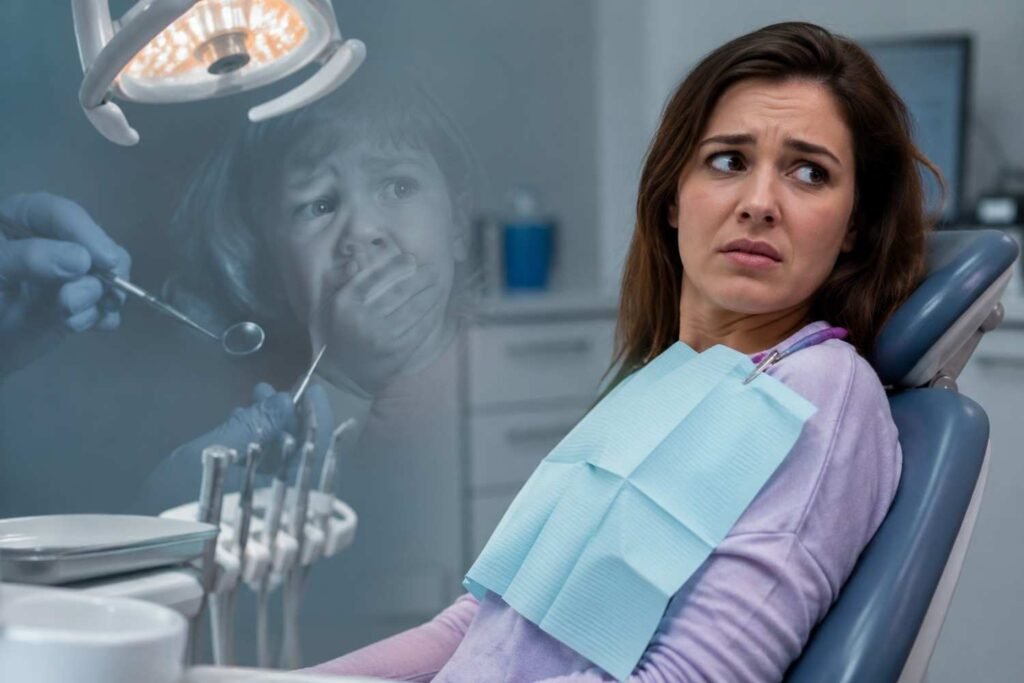
Dental anxiety represents a significant barrier to maintaining optimal oral health, with research highlighting the widespread impact of dental fear on treatment outcomes. Many adults who avoid dental appointments can trace their reluctance to specific childhood incidents, whether a painful procedure, an unsympathetic practitioner, or even the clinical atmosphere of the surgery itself.
The neurological basis for this phenomenon lies in how the brain processes and stores traumatic memories. When a child experiences pain or distress in a dental setting, the amygdala—the brain’s fear centre—creates a strong associative memory. This memory can be triggered by various stimuli in adulthood, including the smell of dental materials, the sound of equipment, or even the sight of a dental surgery. Understanding these mechanisms allows modern practitioners to implement strategies that actively work to prevent such associations from forming.
Creating Positive Dental Experiences for Young Patients
The Role of Child-Centred Care
Progressive dental practices recognise that creating positive childhood experiences requires a fundamentally different approach to paediatric care. A skilled dentist Wakefield families trust understands that gentle communication, age-appropriate explanations, and a welcoming environment are essential components of building long-term patient relationships.
Child-centred dental care involves several key elements that work together to create a supportive atmosphere. These include allowing children to familiarise themselves with equipment before procedures, using non-threatening language to describe treatments, and celebrating cooperation rather than focusing solely on clinical outcomes. Such approaches help children develop a sense of agency and control over their dental health, fostering positive associations that endure into adulthood.
Parental Influence and Modelling Behaviours
Parents play an instrumental role in shaping their children’s attitudes towards dental care. When adults exhibit their own dental anxiety or speak negatively about dental visits, children readily absorb these attitudes. Conversely, parents who maintain regular dental appointments and discuss oral health positively provide powerful role models for their children. This intergenerational transmission of dental attitudes highlights the importance of addressing adult dental anxiety not only for the individual’s benefit but for future generations as well.
The Connection Between Oral Health and Overall Wellbeing

The relationship between childhood dental experiences and adult behaviours extends beyond simple appointment attendance. Studies have established clear links between oral health and mental wellbeing, demonstrating that poor dental health can impact self-esteem, social interactions, and overall quality of life. Adults who developed positive dental habits in childhood are more likely to maintain comprehensive oral hygiene routines and seek preventative care rather than emergency treatment.
Furthermore, evidence suggests that oral health behaviours established in childhood predict long-term health outcomes, making early intervention crucial for public health initiatives. Dental professionals increasingly recognise that their role extends beyond treating immediate clinical issues to include fostering lifelong positive relationships with oral healthcare.
Building a Foundation for Lifelong Oral Health

The evidence overwhelmingly supports the notion that childhood dental experiences profoundly influence adult oral health behaviours. By prioritising positive, child-centred approaches to paediatric dentistry, healthcare providers can break cycles of dental anxiety and avoidance that have persisted across generations. Modern dental practices that invest in creating welcoming environments for young patients are not simply providing treatment—they are establishing the foundation for a lifetime of healthy oral health habits.
Understanding these connections empowers both dental professionals and parents to take proactive steps in shaping positive attitudes towards oral healthcare. The investment in creating supportive childhood dental experiences yields dividends that extend far beyond the dental surgery, contributing to improved overall health and wellbeing throughout the lifespan.