



Starting a lawn care business is one of the most accessible ways to build a small service-based company with relatively low startup costs. With consistent demand for yard maintenance in residential neighborhoods, it offers a practical path for anyone willing to work outdoors, learn basic landscaping skills, and build reliable customer relationships. Whether you’re looking for a side hustle or a full-time venture, lawn care can scale quickly with the right approach.
Understanding the Opportunity
Lawn care is a recession-resistant industry because homeowners and businesses always need outdoor maintenance. Services like mowing, edging, trimming, fertilization, and cleanup are essential year-round in many regions. The best part is that you don’t need advanced qualifications to get started—just basic equipment, a strong work ethic, and a willingness to learn.
Before jumping in, it’s important to understand your local market. Identify competitors, pricing ranges, and the types of services in demand. This helps you position your business more effectively from day one.
Planning Your Business Foundation
Every successful lawn care business starts with a simple plan. Decide whether you want to operate solo or eventually hire a team. Define your service area, target customers (residential, commercial, or both), and the specific services you’ll offer.
Next, take care of the basics like registering your business name, checking local permits, and setting up a separate bank account. Even small businesses benefit from early organization because it makes growth much easier later on.
Essential Tools and Equipment

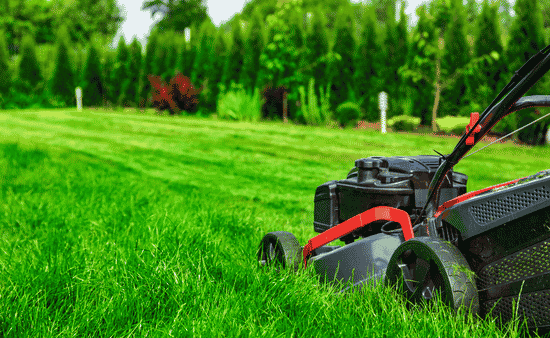
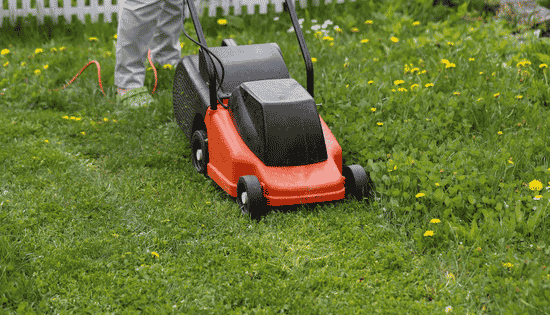
At a minimum, you’ll need a reliable lawn mower, weed trimmer, leaf blower, fuel containers, and safety gear. As you expand, investing in better transportation and hauling equipment becomes important.
Many growing lawn care businesses eventually upgrade to trucks and trailers to handle larger jobs efficiently. In some regions, such as landscaping-heavy areas where hauling debris is common, even equipment like dump trailers in Utah can play a big role in improving productivity and handling heavier workloads.
Starting small is fine, but always choose equipment that can scale with your business.
Setting Your Prices and Getting Customers
Pricing can make or break your business. Research local competitors and decide whether you’ll charge per hour, per lawn, or offer package deals. Beginners often start slightly lower to attract clients, then adjust as experience and demand grow.
To find customers, begin with your immediate neighborhood. Word-of-mouth is powerful in lawn care. You can also distribute flyers, post in local community groups, or use simple online listings. A professional-looking business name and consistent service quality will quickly build trust.
Marketing Your Lawn Care Service

Marketing doesn’t have to be complicated. A basic social media page showing before-and-after yard photos can go a long way. People love visual proof of clean, well-maintained lawns.
As you grow, consider creating a simple website with your services, contact details, and service area. You can also encourage satisfied customers to leave reviews, which will significantly improve your credibility and visibility.
Scaling Your Business
Once your schedule is consistently full, it may be time to expand. Hiring part-time help, adding more equipment, or offering additional services like hedge trimming or seasonal cleanups can increase your income.
Efficiency becomes key at this stage. Route planning, better tools, and improved time management allow you to serve more clients without sacrificing quality.
Final Thoughts
Starting a lawn care business is straightforward, but building a successful one takes consistency and customer focus. With the right planning, basic equipment, and steady marketing, you can turn a simple service into a dependable source of income and long-term growth.