




A healthy smile is a lifelong asset. Maintaining strong teeth and gums requires consistent effort, awareness, and a strategic approach to daily care. Dental health is closely linked to overall well-being, meaning that neglecting your mouth can have ripple effects throughout your entire body.
Mastering Daily Oral Hygiene Habits

The foundation of long-term dental care is built at your bathroom sink. Transforming dental care with patient-centric innovations also supports better outcomes by encouraging consistency and personalized routines. Consistency in your daily habits prevents plaque buildup, tooth decay, and gum disease.
Brushing with Purpose
Brushing twice a day is the gold standard for removing food particles and plaque. Use a soft-bristle toothbrush and fluoride toothpaste to protect your enamel. Pay attention to your technique by holding the brush at a 45-degree angle to the gums and using gentle, circular motions. Brushing too hard can damage your gums and wear down enamel, so a lighter touch is highly recommended.
The Importance of Flossing
A toothbrush cannot reach the tight spaces between your teeth. Flossing once a day removes plaque and debris from these vulnerable areas, preventing cavities and gingivitis. If traditional string floss is difficult to use, try floss picks or a water flosser. The method you choose matters less than the consistency of the habit.
Rinsing with Mouthwash
Mouthwash is a helpful addition to your daily routine, though it should never replace brushing or flossing. An antimicrobial mouthwash reduces bacteria, while a fluoride rinse helps strengthen enamel. Speak with your dentist to choose a formula that addresses your specific needs.
Maximizing Regular Dental Check-ups

Even with impeccable brushing and flossing, professional oversight is necessary for long-term oral health. Dentists have the tools and expertise to identify potential issues long before they become visible to the naked eye, reinforcing the link between oral health and overall wellness.
Optimal Frequency
Most dental professionals recommend scheduling a check-up and cleaning every six months. However, individuals with a history of gum disease, frequent cavities, or certain medical conditions may need to visit more often. Your dentist will help you establish a timeline that fits your unique health profile.
What to Expect During Your Visit
A standard dental visit involves two main components: a comprehensive examination and a professional cleaning. During the exam, the dentist checks for signs of decay, gum disease, and oral cancer. They may also take X-rays to look at the bone structure and tooth roots. The cleaning phase involves a hygienist scaling your teeth to remove hardened tartar, followed by polishing and flossing.
Diet and Nutrition for Healthy Teeth
What you eat directly impacts the strength of your teeth and the health of your gums. A balanced diet provides the nutrients necessary to fight off infections and remineralize enamel.
Foods rich in calcium, such as milk, cheese, and leafy greens, are essential for maintaining strong jawbones and teeth. Vitamin C promotes healthy gums and helps prevent the bleeding associated with gingivitis.
You can find high levels of Vitamin C in citrus fruits, strawberries, and bell peppers. Crunchy fruits and vegetables, like apples and carrots, also stimulate saliva production, which naturally washes away food particles and neutralizes harmful acids.
Limiting your intake of sugary and highly acidic foods is equally important. Bacteria in your mouth feed on sugar, producing acids that slowly dissolve tooth enamel. When you do consume sugary or acidic items, drink plenty of water afterward to help rinse your mouth.
Addressing Specific Dental Concerns
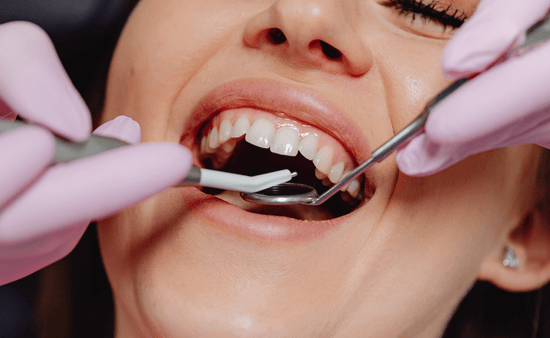
As you age, your teeth and gums go through various changes. Being proactive about specific dental concerns will help you avoid complications down the road.
Managing Gum Disease
Gum disease ranges from mild gingivitis to severe periodontitis. Early signs include red, swollen, or bleeding gums. If caught early, gingivitis is entirely reversible with improved home care and professional cleanings.
Left untreated, it can advance to periodontitis, leading to bone loss and eventual tooth loss. Strict adherence to your daily hygiene routine and regular dental visits are your best defense against gum disease.
Treating Tooth Sensitivity
Experiencing a sharp pain when consuming hot, cold, or sweet foods is a common sign of tooth sensitivity. This often occurs when the protective enamel wears down, exposing the underlying dentin. Using a desensitizing toothpaste can help block the pain signals. If the sensitivity persists, consult your dentist to rule out cavities, cracked teeth, or receding gums.
The Role of Advanced Dental Treatments

Sometimes, preventative care is not enough to maintain a fully functional smile. Advanced dental treatments restore health, function, and aesthetics when natural teeth fail or become misaligned.
Orthodontic treatments, such as traditional braces or clear aligners, do more than straighten teeth for cosmetic reasons. Properly aligned teeth are easier to clean, which reduces the risk of decay and uneven wear over time.
For missing or severely damaged teeth, restorative options are vital for preserving the structure of your jaw. Dental implants offer a permanent, durable solution that mimics the look and feel of natural teeth.
If you are exploring this option, seeking out specialized care is crucial. For instance, finding a reputable provider for dental implants in Lufkin, TX, can ensure you receive expert placement and long-lasting results.
Conclusion
Planning for long-term dental care requires a combination of daily diligence, professional guidance, and mindful lifestyle choices. By committing to a thorough hygiene routine, attending regular check-ups, and eating a nutrient-rich diet, you set the stage for a lifetime of healthy smiles. Start implementing these practices today, and enjoy the peace of mind that comes with knowing your oral health is protected.