


Hydrotherapy, the use of water for therapeutic purposes, has been practiced for centuries across various cultures. It harnesses the physical properties of water, such as temperature and pressure, to promote health and well-being. While professional hydrotherapy centers offer advanced treatments, you do not need access to a specialized facility to experience its advantages. Many simple yet effective techniques can be easily incorporated into your daily routine right from the comfort of your home.
This guide will explore practical methods for practicing hydrotherapy at home. From simple bath enhancements to more involved setups, you can unlock the restorative power of water to soothe muscles, calm your mind, and improve your overall health.
Understanding the Basics of Hydrotherapy
The core principle of hydrotherapy lies in water’s ability to alter blood flow and stimulate nerve endings. Warm water helps to dilate blood vessels, increasing circulation and relaxing tense muscles. It can ease stiffness in joints and reduce pain signals.
Conversely, cold water constricts blood vessels, which can reduce inflammation and swelling. Alternating between hot and cold water, a technique known as contrast hydrotherapy, can create a “pumping” action in the circulatory system. This process helps to flush out toxins and deliver oxygen-rich blood to tissues, accelerating recovery.
Simple Hydrotherapy Techniques for Your Bathroom
Your own bathroom is the perfect place to begin exploring hydrotherapy. These methods require minimal equipment and can be done with little preparation.
The Therapeutic Bath
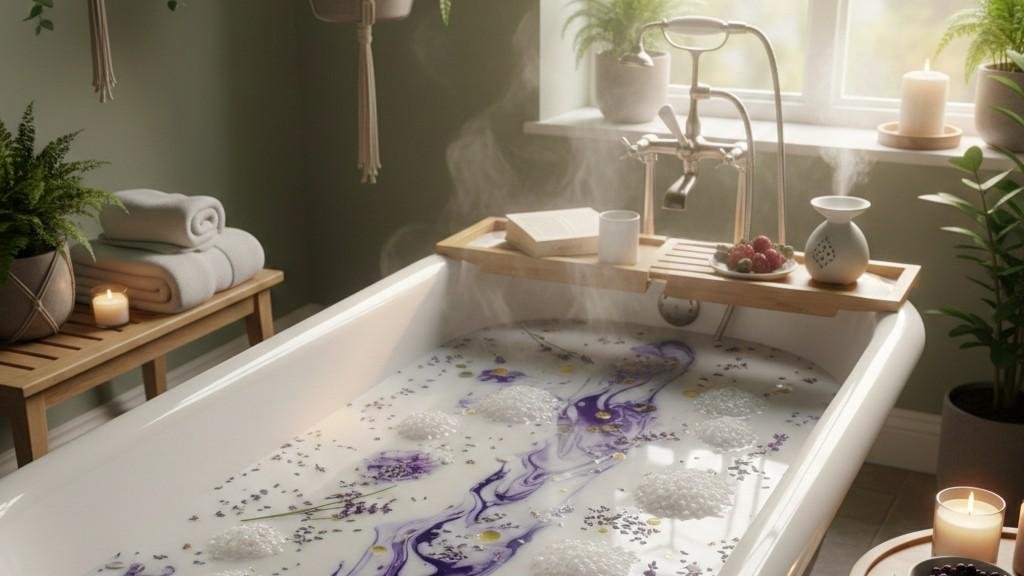
A warm bath is one of the most accessible forms of hydrotherapy. To maximize the benefits, ensure the water temperature is comfortably warm, not scalding. Soaking for 15 to 20 minutes can significantly reduce stress and muscle tension.
You can enhance the experience by adding certain ingredients to the water. Epsom salts, which are rich in magnesium, are renowned for their ability to soothe sore muscles and reduce inflammation. A few drops of essential oils like lavender or chamomile can also promote relaxation and mental clarity.
Contrast Showers
For a more invigorating experience, try a contrast shower. This involves alternating between hot and cold water during your regular shower. Start with three minutes of hot water, followed by one minute of cold water. Repeat this cycle three to four times.
This technique can boost energy levels, improve circulation, and strengthen your immune system. While the initial shock of cold water can be intense, many people find the post-shower feeling of alertness and vitality highly rewarding.
Advanced At-Home Hydrotherapy Options
For those looking to make a more significant investment in their home wellness, there are more advanced options available. These installations can provide a more immersive and powerful hydrotherapy experience.
Investing in a Jetted Tub or Hot Tub
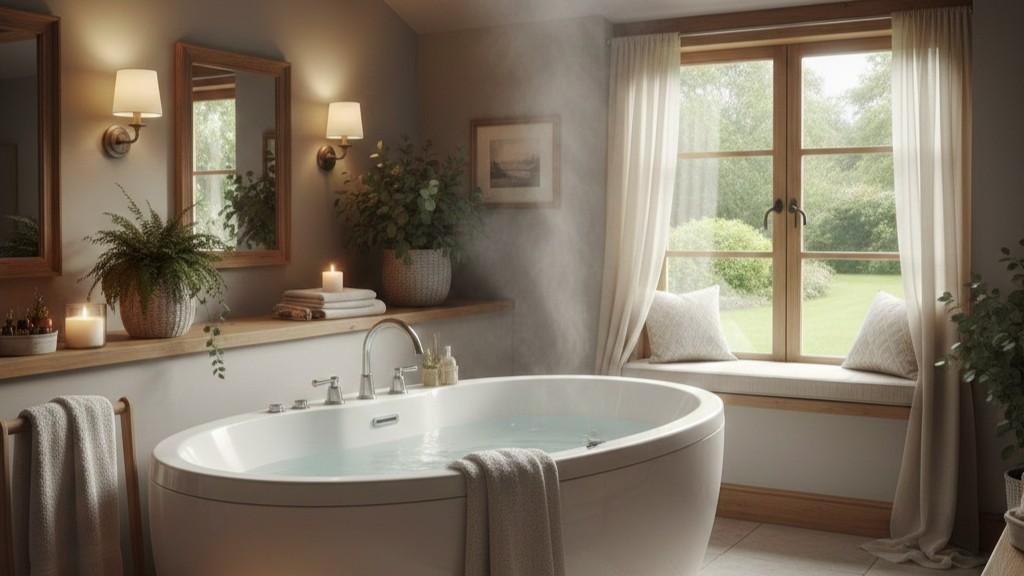
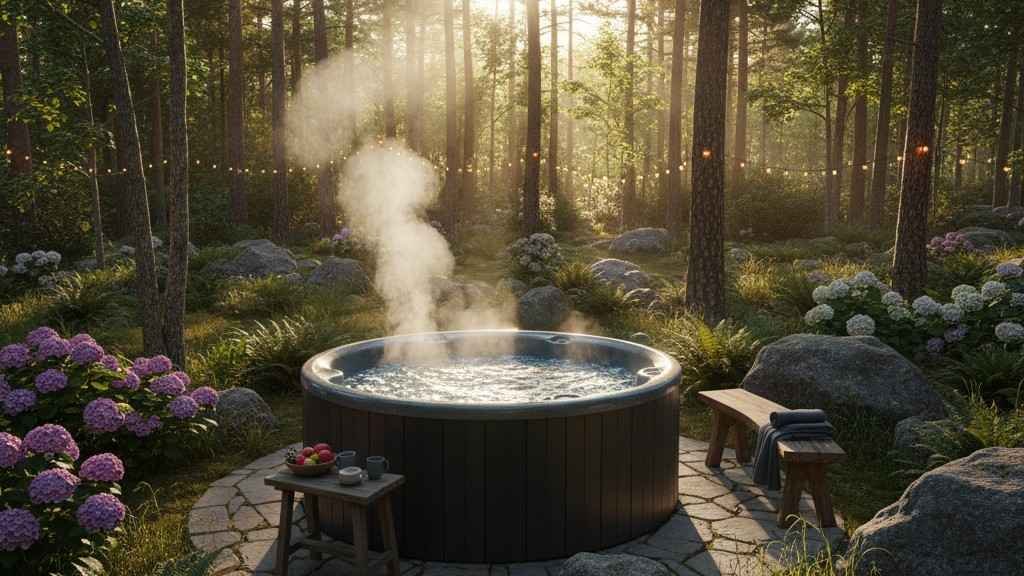
A jetted bathtub or an outdoor hot tub takes the therapeutic bath to the next level. The built-in jets provide a targeted massage, applying pressure to specific muscle groups. This can be particularly effective for relieving chronic back pain, arthritis, and sports-related injuries. Modern hot tubs offer customizable settings, allowing you to control the pressure and direction of the water jets for a personalized treatment.
Creating a Pool for Aquatic Exercise
For the ultimate home hydrotherapy setup, a personal swimming pool offers a wide range of benefits. Water buoyancy supports your body weight, reducing stress on joints and making it an ideal environment for low-impact exercise. Activities like swimming, water aerobics, or simply walking in the water can improve cardiovascular health, build strength, and increase flexibility.
When planning such a project, consulting with experienced swimming pool contractors in Utah or your local area is essential to ensure the design meets your therapeutic needs.
Conclusion
Incorporating hydrotherapy into your life does not have to be complicated or expensive. Simple practices like taking a warm Epsom salt bath or trying a contrast shower can provide substantial benefits for your physical and mental health.
By understanding how water interacts with your body, you can turn your bathroom into a personal wellness sanctuary. Whether you start with small daily habits or consider a larger home installation, embracing the healing power of water is a powerful step toward a healthier, more balanced life.